How to Spot Hidden Mold in Your Home (Before It Becomes a Problem)
Introduction — Why “Out of Sight” Mold Is Still a Big Threat
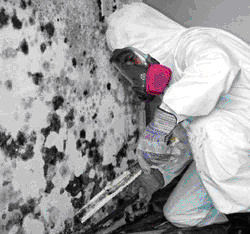
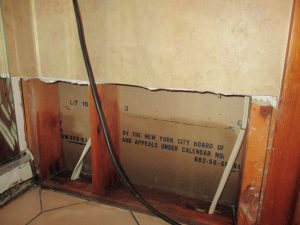
You can’t fix what you can’t see. Unfortunately, mold doesn’t always bloom in plain view; it loves dark, damp spaces behind walls, under flooring, inside HVAC ducts, and even inside your attic insulation. Left undiscovered, hidden colonies can:
- Trigger allergies and aggravate asthma
- Quietly damage structural materials
- Turn minor moisture issues into five-figure remediation bills
In this guide, AllStates Restoration’s certified technicians break down the subtle warning signs, common hiding spots, and smart DIY inspection tips every New Jersey homeowner should know before mold becomes a costly problem.
1. Understand the Mold “Recipe”: Moisture + Food + Time
Mold spores are everywhere, but they only thrive when three ingredients align:
| Ingredient | Typical Source in a Home | How Long Before Mold Grows?* |
|---|---|---|
| Moisture | Plumbing leaks, roof seepage, high humidity, flooding | 24-48 hours |
| Food | Wood framing, drywall paper, carpet backing, dust | Always present |
| Warmth | Indoor temps 68-86 °F (typical in NJ) | Continuous |
*Some species (e.g., Stachybotrys chartarum) need 48 hours of saturation; others can sprout faster.
Takeaway
If you control indoor moisture, you starve mold of its key ingredient. That’s why early detection of leaks and humidity spikes is so important.
2. Sneaky Signs You May Have Hidden Mold
- Persistent Musty Odor: A damp, earthy smell—especially stronger in basements, crawlspaces, or after your HVAC starts—often signals growth behind finishes.
- Allergy Symptoms Improve When You Leave Home: Itchy eyes, sneezing, or wheezing that clears when you’re away is a red flag for indoor contaminants.
- Staining or Bubbling Paint: Brownish spots, peeling wallpaper, or bubbling paint can indicate moisture wicking from the backside of drywall.
- Warped or Buckling Flooring: Hardwood cupping, laminate lifting, or soft carpet padding points to moisture trapped below.
- High Humidity Readings: A hygrometer reading consistently above 60% RH (relative humidity) indoors creates ideal mold conditions.
Pro Tip: Track odors after rainy days. If smells intensify, inspect exterior drainage or roof flashing.
3. Top 7 Hiding Places for Mold in New Jersey Homes
Here are some of the following places that mold typically pertains to:
| Rank | Location | Why It’s Vulnerable | Quick Check |
|---|---|---|---|
| 1 | Finished Basements | Bulkhead leaks, sump-pump failures, porous foundation walls | Pull baseboard; look for fuzzy growth |
| 2 | Attics | Ice dams & roof leaks, poor venting | Spot black streaks on underside of sheathing |
| 3 | Behind Shower Walls | Cracked grout, loose plumbing joints | Use moisture meter on adjoining drywall |
| 4 | Crawl Spaces | Ground vapor, inadequate vapor barrier | Inspect joists & insulation for discoloration |
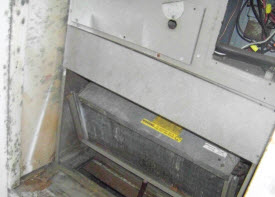
| 5 | HVAC Air Handlers & Ducts | Condensation, dust buildup | Check coil drip pans & supply boots |
| 6 | Under Kitchen Sinks | Hidden supply-line pinholes | Shine flashlight behind garbage disposal |
| 7 | Window Sills & Frames | Temperature differentials → condensation | Probe wood with awl for softness |
Make sure to check these locations.
4. DIY Inspection Toolkit (Budget: <$60)
| Tool | Purpose | Approx. Cost |
|---|---|---|
| Flashlight with 1000+ lumens | Spot visible spotting in dark cavities | $20 |
| Digital Hygrometer | Monitor RH in suspect rooms | $15 |
| Moisture Meter (pin-type) | Detect damp drywall/wood (≥17% MC is risky) | $25 |
| N95 Respirator & Nitrile Gloves | Personal protection while checking dusty areas | $5 |
Remember: DIY tools help you identify moisture anomalies, not species type or spore counts. For health-critical decisions, call a licensed mold assessor (like AllStates Restoration).
5. When to Bring in the Pros
| DIY Is Fine If… | Call AllStates Restoration If… |
|---|---|
| Small patch (<10 sq ft) on a hard, non-porous surface | Growth covers >10 sq ft or spans multiple rooms |
| You can trace moisture to a one-time spill | Moisture source isn’t obvious or recurs |
| Family members have mild, short-lived symptoms | Anyone has chronic respiratory issues or immune suppression |
| No structural materials are affected | Suspected spread into framing, insulation, or HVAC |
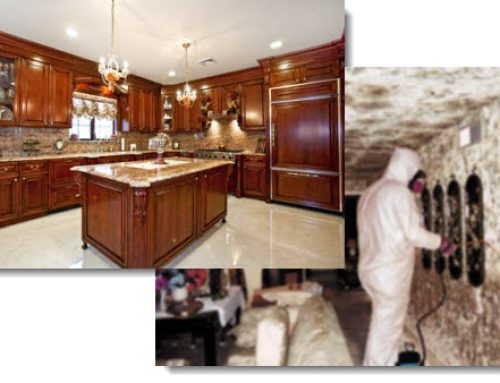
What AllStates’ Certified Mold Team Does
- Infrared & Moisture Mapping – Pinpoint wet zones without tearing open walls.
- Air & Surface Sampling – Verify spore species & concentrations.
- Containment & Negative Pressure – Prevent cross-contamination.
- HEPA Filtration & Antimicrobial Treatments – Remove spores and inhibit regrowth.
- Source Fix & Dry-Out – Partner with your plumber/roofer to eliminate moisture.
6. Prevention Checklist for New Jersey Homeowners
- Maintain 40-55% Indoor RH year-round (use dehumidifiers in summer).
- Inspect Gutters & Downspouts every spring/fall; ensure water drains 6 ft from foundation.
- Install a Sump Pump with Battery Backup if your basement sits below water table.
- Seal Crawl Space Soils with 6-mil polyethylene vapor barrier.
- Add Exhaust Fans in bathrooms and kitchens; run for 20 minutes after use.
- Service HVAC Twice a Year; clean coils and replace MERV-rated filters.
- Check Washing-Machine & Ice-Maker Lines for cracks every six months.
Conclusion — Don’t Wait for Musty Smells to Become Medical Bills
Hidden mold rarely stays hidden forever; it just becomes more expensive to remove and more dangerous to breathe. A monthly five-minute moisture patrol can save you thousands in remediation costs and keep your family’s lungs clear. If you’re unsure, or if humidity has already taken hold, call the Englishtown-based experts at AllStates Restoration. We’re on-site within 60 minutes—24/7—to detect, contain, and eradicate mold at its source.
What AllStates’ Certified Mold Team Does
- Infrared & Moisture Mapping – Pinpoint wet zones without tearing open walls.
- Air & Surface Sampling – Verify spore species & concentrations.
- Containment & Negative Pressure – Prevent cross-contamination.
- HEPA Filtration & Antimicrobial Treatments – Remove spores and inhibit regrowth.
- Source Fix & Dry-Out – Partner with your plumber/roofer to eliminate moisture.
6. Prevention Checklist for New Jersey Homeowners
- Maintain 40-55% Indoor RH year-round (use dehumidifiers in summer).
- Inspect Gutters & Downspouts every spring/fall; ensure water drains 6 ft from foundation.
- Install a Sump Pump with Battery Backup if your basement sits below water table.
- Seal Crawl Space Soils with 6-mil polyethylene vapor barrier.
- Add Exhaust Fans in bathrooms and kitchens; run for 20 minutes after use.
- Service HVAC Twice a Year; clean coils and replace MERV-rated filters.
- Check Washing-Machine & Ice-Maker Lines for cracks every six months.
Conclusion — Don’t Wait for Musty Smells to Become Medical Bills
Hidden mold rarely stays hidden forever; it just becomes more expensive to remove and more dangerous to breathe. A monthly five-minute moisture patrol can save you thousands in remediation costs and keep your family’s lungs clear. If you’re unsure, or if humidity has already taken hold, call the Englishtown-based experts at AllStates Restoration. We’re on-site within 60 minutes—24/7—to detect, contain, and eradicate mold at its source.
Our specialists are local, dependable, and IICRC certified; we are always on standby to guide you through all your water crisis needs. AllStates Restoration has been a New Jersey leader in water damage restoration for over 8 years, and have over 25 years of combined experience in the cleaning and restoration field.
We provide a 100% customer satisfaction guarantee, and we boast a 5 star rating from previous customers on Google.
Ready for peace of mind?
📞 Call 732-956-3900 or schedule a free visual inspection today.