
Introduction — Mold Is More Than an Eyesore
That black or green patch creeping across drywall isn’t just ugly—it’s a living organism that feeds on your home’s structure and can trigger respiratory issues, headaches, and fatigue. In New Jersey’s humid climate, mold flourishes in as little as 24–48 hours after a leak or flood. Ignoring it invites costly repairs, health risks, and even insurance headaches. This guide from AllStates Restoration breaks down the full, professional mold-remediation process so you know what to expect, why each step matters, and how certified experts keep families safe and mold-free for the long haul.
-
Why Proper Mold Remediation Matters
| Risk | DIY “Bleach & Paint” | Professional Remediation |
|---|---|---|
| Health | Masks spores temporarily; hidden colonies persist | HEPA filtration + antimicrobial agents eradicate spores |
| Structure | Surface stains fade, but rot continues | Wet framing, insulation, and sheathing dried or replaced |
| Insurance | May deny claim if growth recurs | Documented, industry-standard remediation satisfies adjusters |
| Resale Value | Must disclose unresolved mold | Clearance testing proves a clean bill of health |
Bottom line: Real remediation eliminates the source, spores, and moisture—not just the stain.
2. Mold Remediation vs. Mold Removal vs. “Mold Abatement”
These terms get tossed around, but only remediation describes a comprehensive protocol that:
Anything less is a band-aid.
3. Step-by-Step Mold Remediation Process
3.1 Initial Inspection & Moisture Mapping
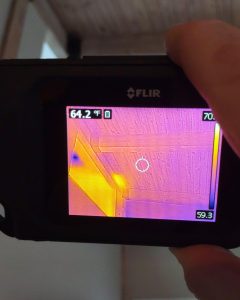
- Infrared thermography spots hidden moisture behind walls and ceilings.
- Pin/pinless moisture meters measure content; >17 % means active wetness.
- Air sampling (optional) establishes baseline spore counts.
3.2 Containment & Negative Air
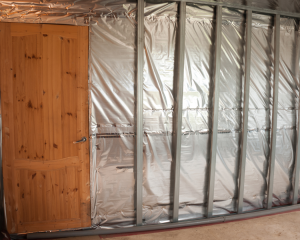
- 6-mil poly barriers and zip-wall systems seal off work zones.
- Negative air machines with HEPA filters vent spores safely outside.
3.3 Air Filtration & PPE
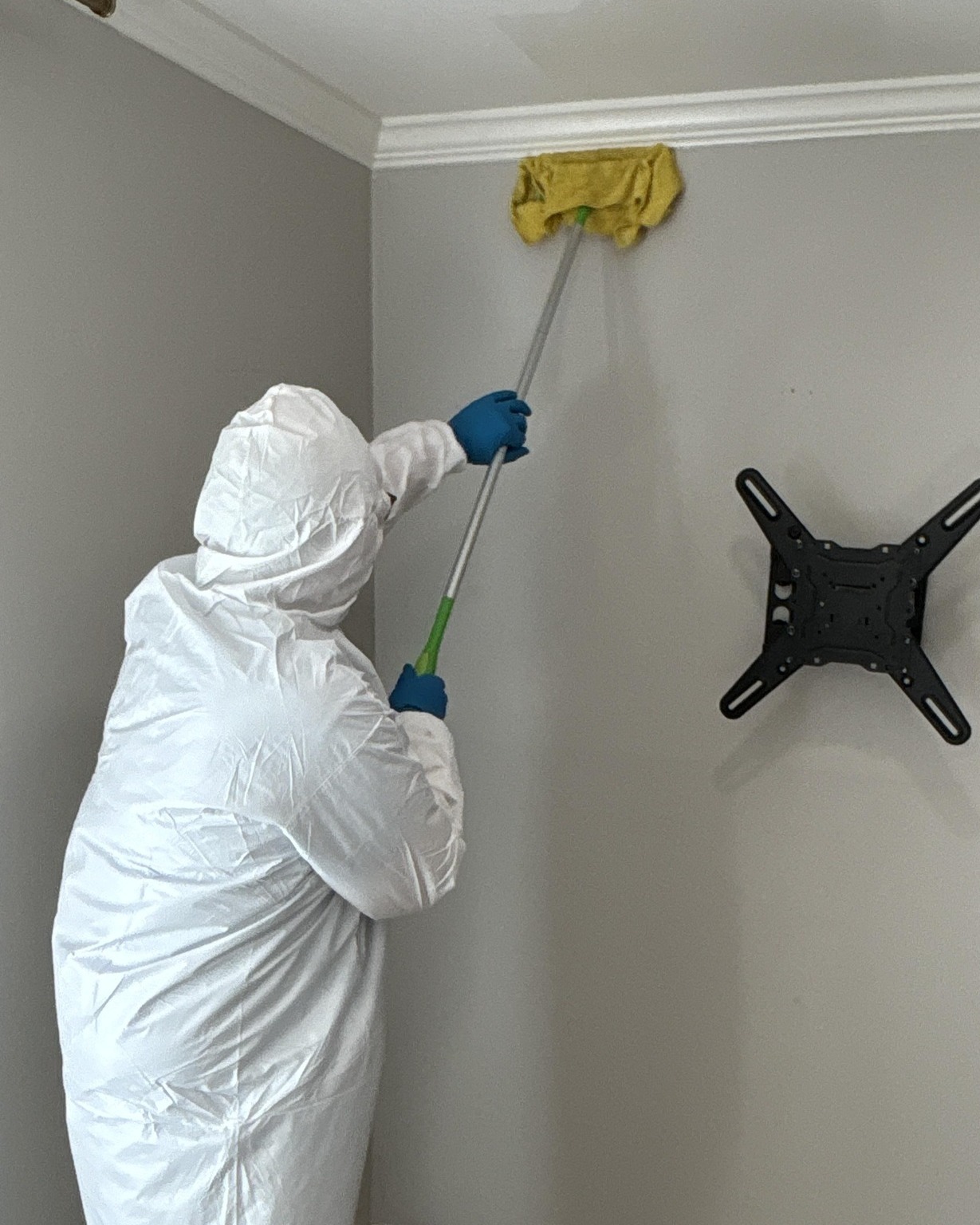
Technicians wear full-face respirators and Tyvek® suits while HEPA scrubbers run 24/7, exchanging the air inside containment at least 4–6 ACH (air changes per hour).
3.4 Selective Demo & Material Removal
- Porous materials (drywall, carpet pad, insulation) with visible or embedded growth are double-bagged and discarded.
- Semi-porous surfaces (wood framing) may be soda-blasted or wire-brushed to remove hyphae.
3.5 HEPA Vacuum & Antimicrobial Cleaning
- All surfaces receive a thorough HEPA vacuum.
- An EPA-registered antimicrobial (non-bleach) is applied to inhibit regrowth.
- Detail cleaning of HVAC supply and return grills prevents re-contamination.
3.6 Drying & Dehumidification
Industrial dehumidifiers and axial air movers reduce wood moisture to <15 %—starving mold of water.
3.7 Post-Remediation Verification (PRV)
A third-party inspector or hygienist conducts:
- Visual inspection (no dust, no staining).
- Air or surface sampling proving spore counts at or below outdoor/control levels.
- Signed clearance certificate for your records (and buyers or insurers).
Conclusion — Don’t Let Mold Control Your Home
Mold remediation is a science-backed process that protects both your family’s health and your home’s value. Cutting corners with bleach sprays or cosmetic fixes only delays the inevitable and increases future costs. AllStates Restoration brings 24/7 emergency response, industry-certified crews, and a proven remediation protocol to every Englishtown and Central-NJ project—so you can breathe easy again.
Leave A Comment