
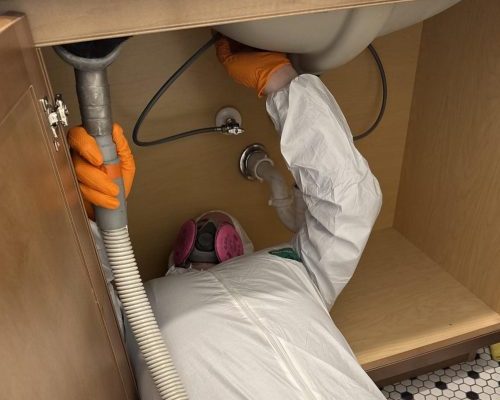
From Soaked to Safe: The Step-by-Step Water Damage Restoration Process
Clarity in a Crisis
When water invades your home—whether from a burst pipe, appliance failure, roof leak, or storm, the first few hours determine the total cost and scope of repairs. Knowing what a professional restoration actually does will help you be confident, understand the process, and protect your family’s health.
Step 1: 24/7 Emergency Response & Site Safety
Why it matters: Water spreads quickly and turns clean incidents into contaminated ones. We prioritize safety and source control first.
- Arrival & safety check: Assess electrical hazards, structural stability, isolate affected zones.
- Stop the source: Shut off mains; coordinate with a plumber/roofer if needed.
- Initial documentation: Photograph/video conditions for your records and insurance.
Step 2: Inspection, Category Assessment & Moisture Mapping
Why it matters: Water source and contamination level dictate cleaning protocols and what may be saved.
What we do
- Identify water category (1: clean, 2: gray, 3: black/sewage/stormwater).
- Use infrared cameras and moisture meters to find hidden wet areas (behind drywall, under cabinets, inside ceilings).
- Build a room-by-room scope of work and explain options before proceeding.
Step 3: Rapid Water Extraction
Why it matters: The more we remove mechanically, the quicker the dry-out process.
What we do
- Deploy truck-mounted extractors and submersible pumps for standing water.
- Squeegee and wand carpets, pad, and hard surfaces to pull trapped moisture.
- Stage containment if contaminated water is present to protect unaffected areas.
Step 4: Contents Protection & Pack-Out (as needed)
Why it matters: Prevents secondary damage and speeds structural drying.
What we do
- Elevate furniture on blocks; wrap/cover clean items in place.
- Inventory, label, and pack-out sensitive items (electronics, textiles, documents) to our secure facility for cleaning/drying when necessary.
Step 5: Controlled Demolition (Only What’s Needed)
Why it matters: Targeted removal may prevent additional mold and preserves as much finish material as possible.
What we do
- Remove unsalvageable porous materials: saturated drywall, baseboards, insulation, carpet pad.
- Create drying access with small, strategic cuts rather than gutting entire walls.
- Dispose of debris per local regulations; protect the rest of the home with dust control.
Step 6: Structural Drying & Dehumidification
Why it matters: Returning materials to safe moisture levels (<~15% wood MC; drywall back to baseline) prevents mold and warping.
What we do
- Place high-velocity air movers to drive evaporation.
- Use LGR dehumidifiers to pull moisture from the air and materials.
- Apply floor-drying mats or wall-cavity injectors for hard-to-reach spots.
- Remote monitoring: Record temp/RH/material readings and adjust equipment until dry standards are met.
- Provide moisture logs.
Step 7: Cleaning, Antimicrobial Treatment & Air Quality Control
Why it matters: Water losses can introduce bacteria and musty odors; proper cleaning protects health.
What we do
- HEPA vacuum and wipe affected surfaces.
- Apply EPA-registered antimicrobials where appropriate (especially Category 2/3 losses).
- Run HEPA air scrubbers to capture fine particulates and improve indoor air quality.
Step 8: Odor Removal (If Needed)
Why it matters: Odors indicate lingering contamination or incomplete drying.
What we do
- Identify the odor source (wet materials vs. microbial).
- Use hydroxyl generators (safe while occupied) or other targeted deodorization methods once the structure is dry.
Step 9: Final Walkthrough & Documentation
Why it matters: You deserve a clear finish line and proof your home is dry and safe.
What we do
- Verify materials meet dry standards and review readings with you.
- Walk every room for finish quality and punch-list items.
- Provide a project completion packet (photos, moisture logs, scope, and warranty details).
- When applicable, assist your adjuster with any final documentation.
Why AllStates Restoration
- Local & fast: Rapid response throughout Monmouth, Middlesex, Ocean, and nearby counties.
- IICRC-certified techs: Water restoration, structural drying, and microbial remediation.
- Documentation: Photos, moisture logs, and line-item estimates streamline claims.
Water damage escalates by the hour. If you’re seeing standing water, stains, or musty odors, get professional help now.
Contact AllStates Restoration at 732-956-3900 for a fast on-site assessment and a clear plan to restore your home.
HireASR.com
Leave A Comment