
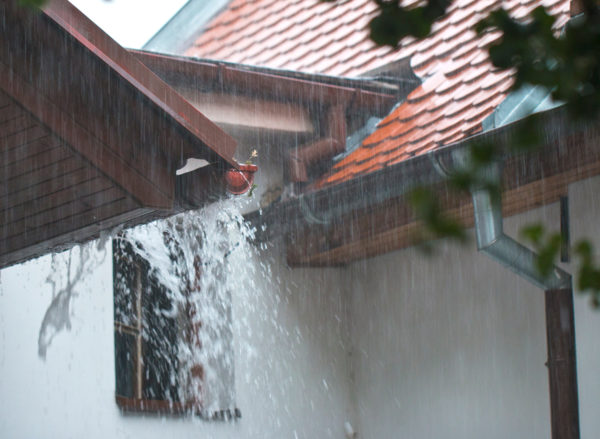
New Jersey Storm Water Damage Prevention: How to Protect Your Home from Floods and Storms
From late-summer hurricanes barreling up the coast to early-spring nor’easters that dump inches of rain in a matter of hours, New Jersey homes face water threats in every season. One major storm—think Hurricane Ida in 2021 or the December 2023 coastal flood event—can saturate soil, overwhelm storm drains, and send water rushing into basements faster than you can grab a mop. The good news: most storm-related water damage is preventable with the right mix of home upgrades and proactive planning. This guide from AllStates Restoration walks homeowners through a step-by-step game plan to keep the next big weather system outside where it belongs.
1. Know Your Local Risks (and Your Flood Zone)
- Hurricanes & Tropical Storms — Peak August-October. Storm surge + torrential rain.
- Nor’easters — Fall through early spring. Prolonged on-shore winds push tidal water inland.
- Flash Floods — Any time of year. Training thunderstorms can dump 2–4″ per hour.
- Ice & Snowmelt — Rapid thaws turn frozen ground into a sponge, forcing meltwater toward foundations.
2.Exterior Defenses: Keep Water Moving Away from Your House
2.1 Roof & Gutter Tune-Up
- Inspect shingles and flashing every spring/fall; replace cracked tabs immediately.
- Clean gutters & downspouts at least twice a year (more if you have oak or pine nearby).
- Extend downspouts 6 ft from the foundation; splash blocks ≠ enough during a deluge.
2.2 Grade & Drainage
- Slope soil 1″ per foot for 6–10 ft away from the house.
- Add French drains or curtain drains where yard grading alone can’t redirect runoff.
- Install driveway trench drains if water funnels toward garage doors.
2.3 Window Wells & Exterior Doors
- Fit wells with polycarbonate covers that anchor securely.
- Upgrade to FEMA-rated flood doors for walk-out basements.
2.4 Sump Pump Pit — The Unsung Hero
- Ensure pit has a proper sealed liner to keep radon and moisture out.
- Test float switch monthly by pouring water into the pit until it triggers.
3. Interior Safeguards: Stop Water at the Threshold
| Upgrade | Why It Pays Off | |
| Primary + battery-backup sump pump | Runs 8–12 hrs if power fails during a storm | |
| Backwater (sewer) valve | Prevents municipal line backups into basements | |
| Water-sensor alarms & smart shut-off valve | Sends phone alerts; auto-closes main if leak detected | |
| Basement wall crack injection (epoxy/urethane) | Seals common leak paths in poured foundations | |
| Whole-home dehumidifier
(70-90 pints/day) |
Keeps RH < 55 %, discouraging mold after storms |
4. Post-Storm First Steps (If Water Still Gets In)
- Stay Safe — Shut off electricity if safe to.
- Call AllStates Restoration — Our team arrives fast with pumps, extractors, and desiccant dehumidifiers.
- Document Damage — Take Photos and videos.
- Initiate Dry-Out Within 24 Hours — Mold can colonize drywall in as little as 48 hours.
- Save Samples of damaged materials if insurer needs lab confirmation.
5. How AllStates Restoration Helps You Weather the Storm
- Pre-Storm Home Checkups — Infrared camera inspection, sump pump testing, moisture-meter baseline report.
- Rapid Water-Damage Mitigation — Truck-mounted extractors; thermal cameras locate hidden wet zones.
The Best Time to Prepare Was Yesterday, the Second-Best Is Today
New Jersey’s storms are growing less predictable—but your preparedness doesn’t have to. Investing a weekend (and a few strategic upgrades) now can save you the heartbreak——of a flooded basement later. Whether you need a quick sump-pump tune-up, a full water extraction, or a trusted partner on standby when the skies open, AllStates Restoration has all the NJ counties covered.
Ready?
📞 Call 732-956-3900 or schedule an appointment today—before the next weather alert hits your phone.
Leave A Comment