
High water bill? Musty odor? Learn DIY tests, top hiding spots, and pro methods to find hidden leaks—by AllStates Restoration, Englishtown NJ.
Introduction — The Most Expensive Leaks Are the Ones You Can’t See
Not every leak announces itself with a dramatic ceiling stain. Many begin as slow drips inside wall cavities, beneath cabinets, or under slab floors—quietly soaking insulation, swelling subfloors, and feeding mold. In New Jersey’s humid climate and older housing stock, early leak detection is the difference between a $350 plumbing repair and a multi-thousand-dollar remediation. This guide from AllStates Restoration shows you how to spot the clues, run simple tests, and know when to bring in professionals so small leaks don’t become big losses.
1) Classic Clues of a Hidden Leak
- Water bill spike with no change in usage
- Musty or earthy odor, stronger after HVAC starts
- Cupped or buckling hardwood, spongy subfloor near kitchens/baths
- Bubbling paint/peeling wallpaper or hairline ceiling “shadows” after storms
- Warm spot on a slab floor (possible hot-water line leak)
- Constant meter movement even when all fixtures are off
- Efflorescence (white powder) on basement walls or persistent dampness at baseboards
2) Where Leaks Love to Hide in NJ Homes (and How to Check)
| Location | Common Issue |
|---|---|
| Under sinks & vanities | Loose trap, pinhole in supply |
| Behind dishwashers/fridges | Crimped or aging supply line |
| Showers/tubs | Failed grout/caulk; valve leak |
| Laundry rooms | Rubber washer hoses |
| Attics | Condensate line or roof flashing |
| Slab floors | Hot-water line leak |
| Basements | Foundation seepage/cracks |
3) Supply vs. Drain Leaks — Why It Matters
- Supply-side leaks are pressurized; they run 24/7 and escalate quickly. Your meter test will usually catch them.
- Drain-side leaks happen only when the fixture runs. They soak cabinetry and wall cavities, then dry out—often detected by odor or swelling instead of visible water.
5) What Professionals Do (and When You Need Them)
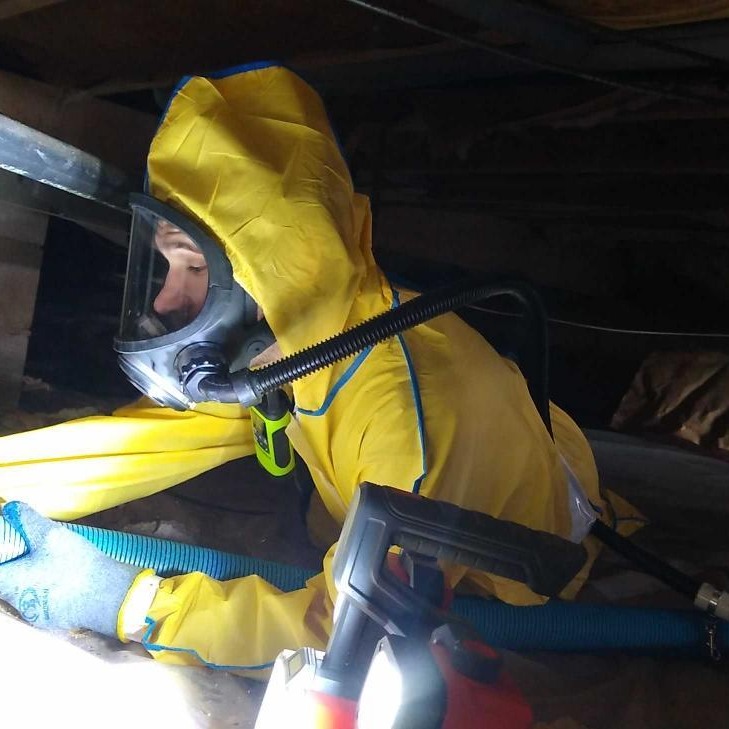
Professionals use non-destructive diagnostics to pinpoint moisture.
AllStates Restoration can help!
4) Slab Leaks & “Mystery Moisture” on Lower Levels
Homes on slabs or with partially finished basements can conceal leaks under flooring. Signs include warm areas, lifting vinyl or engineered wood, and persistent musty odor with no visible spill. Because access is limited, targeted opening plus rapid dry-out prevents widespread demolition..
5) The Mold Factor: Why 24–48 Hours Is the Line in the Sand
If wet materials stay above safe moisture for more than 24–48 hours, mold risk jumps. Rapid leak detection and dry-out is your best defense against a costly mold project.
Why NJ Homeowners Choose AllStates Restoration
- Fast, local response across Monmouth, Middlesex, and nearby counties—24/7.
- 732-956-3900
- HireASR.com
Leave A Comment