
Breathe Easy Again: The Homeowner’s Guide to Safe & Thorough Smoke and Soot Cleanup
Why Smoke & Soot Stick Around Long After the Flames Are Out
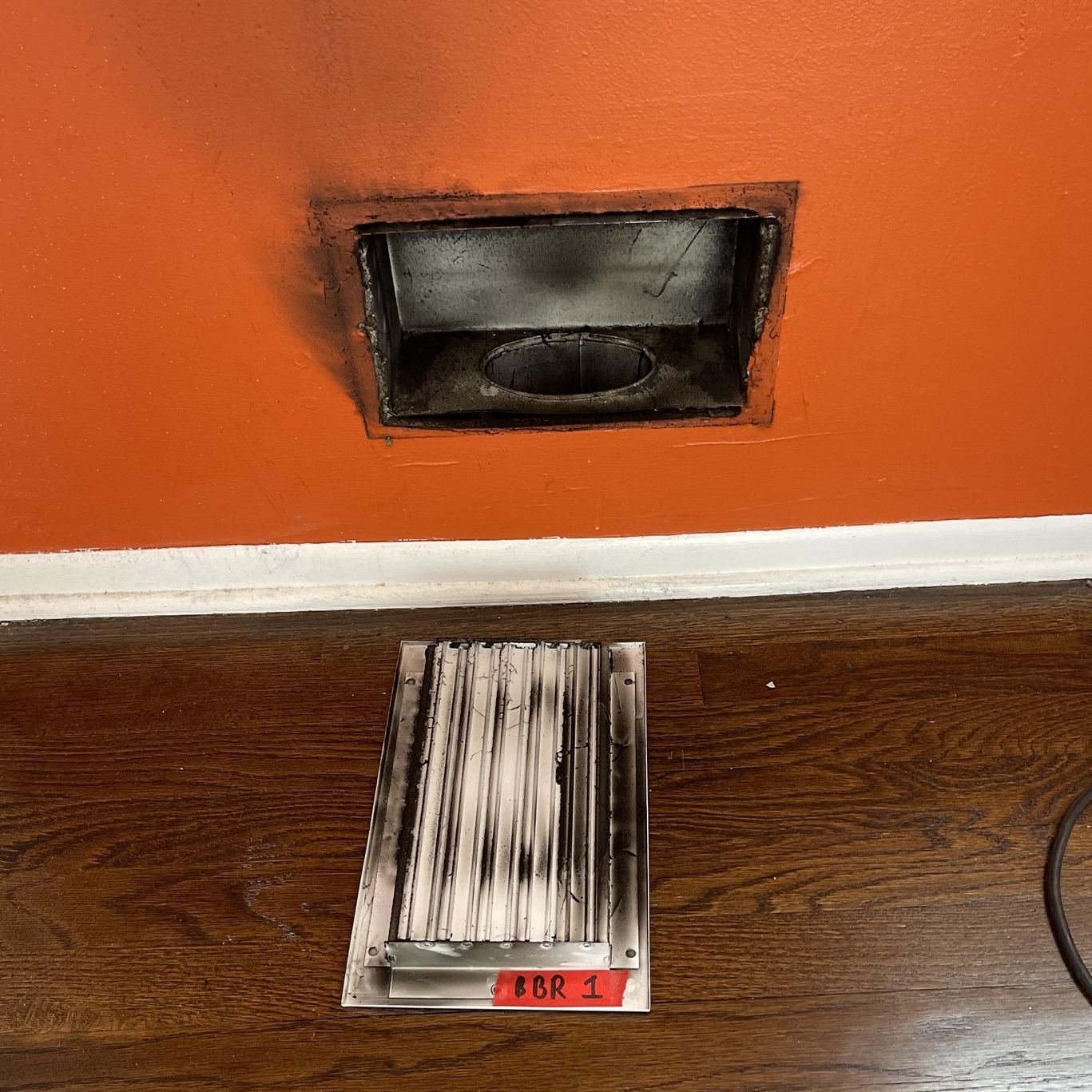
When the fire is extinguished, you may think the worst is over—but smoke and soot are just getting started. Tiny acidic particles drift through HVAC ducts, embed in fabrics, and etch metal fixtures within hours. Even a small kitchen flare-up can leave an invisible residue that irritates lungs, stains walls, and produces a musty “burnt” odor that refuses to leave. New Jersey’s year-round humidity only accelerates corrosion and odor absorption. In this post, AllStates Restoration—Englishtown’s 24/7 fire-damage experts—explains the hidden dangers of smoke and soot, what effective cleanup really involves, and how certified professionals can save your belongings and your indoor air quality.
1. Smoke vs. Soot: What’s the Difference?
| Residue Type | How It Forms | Typical Appearance | Key Risks |
|---|---|---|---|
| Dry Smoke | Fast-burning paper/wood fires | Fine gray powder | Easy to smear; embeds in porous surfaces |
| Wet Smoke | Slow-burning plastics, synthetics | Sticky, black, smeary film | Heavy odor; clings to everything |
| Protein Residue | Kitchen grease & food proteins | Virtually invisible, yellowish | Pungent odor, discolors paint |
| Fuel-Oil Soot | Furnace puff-backs | Oily black particles | Coats HVAC & electronics |
Takeaway: Each residue requires a unique cleaning solution—using the wrong method can “set” stains permanently.
2. Why Quick, Proper Cleanup Is Critical for Health
- Respiratory Irritants: Particulates ≤ 2.5 µm (PM2.5) lodge deep in the lungs, triggering asthma and allergies.
- Carcinogens: Polycyclic aromatic hydrocarbons (PAHs) from burned plastics are linked to cancer with prolonged exposure.
- Corrosion & Etching: Acids in soot tarnish metals and pit chrome fixtures within 24 hours.
- Mold Risk: Water used to fight fires leaves moisture that, when combined with soot nutrients, breeds mold in 48 hours (see Post #6).
Children, seniors, and anyone with respiratory conditions are especially vulnerable—making professional, HEPA-filtered cleanup more than a cosmetic issue.
3. DIY Wipe-Down vs. Professional Smoke & Soot Remediation
| Task | DIY Challenges | Professional Solution (AllStates) |
|---|---|---|
| Wall Cleaning | Household cleaners smear soot; water drives residue deeper | Dry-chem sponges lift particles; alkaline wash neutralizes acidity |
| HVAC Decontamination | Hard to access duct runs; risk of re-contamination | Negative-air duct cleaning, coil sanitation, filter upgrades |
| Odor Removal | Store-bought sprays only mask smells | Thermal fogging, hydroxyl generators, and ozone (unoccupied) break odor bonds |
| Electronics Salvage | Static shock, hidden corrosion | Ionized-air blowing, board-level inspection, corrosion inhibitors |
4. The AllStates Smoke & Soot Cleanup Protocol
4.1 Emergency Response & Containment
- On-Site across NJ—24/7.
- Poly sheeting and negative-air machines isolate affected rooms, preventing cross-contamination.
4.2 Air Scrubbing & PPE
- Technicians wear full-face respirators and Tyvek® suits.
- Industrial HEPA air scrubbers exchange room air 4–6 times per hour, capturing 0.3 µm particles.
4.3 Dry Removal of Loose Soot
- HEPA vacuums with brushless heads collect surface particulates without smearing.
- Chem sponges (vulcanized rubber) blot walls, ceilings, and trim—no moisture added.
4.4 Wet Cleaning & Neutralization
- Alkaline detergents break down acidic residues.
- Controlled rinse-and-wipe prevents streaking on painted or vinyl surfaces.
- Stainless steel, chrome, and electronics receive anti-corrosion wipes.
4.5 Contents Cleaning & Pack-Out
- Cleanable items stay on-site; heavily damaged or high-value contents are packed to our secure facility for ultrasonic cleaning.
- Digital inventory with before-and-after photos streamlines insurance claims.
4.6 Odor Elimination
- Thermal Fogging: Heated deodorant vapor mimics smoke pathways to pair with odor molecules.
- Hydroxyl Generators: Safe for occupied spaces—break down VOCs 24/7.
- Ozone Treatment: Deployed in unoccupied areas for deep-penetration odor destruction.
4.7 HVAC & Duct Cleaning
- Rotating-brush agitation plus negative-pressure collection removes soot films.
- Coils and blower compartments sanitized; new high-MERV filters installed.
4.8 Final Clearance & Documentation
- Indoor air quality checked with particle counters; surfaces pass a “white-glove” test.
- Comprehensive report supports insurance reimbursement and eventual home sale disclosures.
5. Seven Pro Tips to Prevent Permanent Smoke & Soot Damage
- Open Windows only after outside relative humidity is below 60 %—NJ summers can introduce moisture.
- Power down HVAC until the ducts are cleaned to avoid spreading residue.
- Change Furnace Filters immediately with MERV 8–11 to trap particulates.
- Avoid DIY Wet Wiping on drywall or popcorn ceilings; you’ll create stains that bleed through paint.
- Photograph Every Surface before cleanup for faster insurance approvals.
- Remove Pets & Plants—they’re sensitive to lingering VOCs.
- Schedule a Professional Inspection within 24 hours to halt corrosion.
Clear the Air, Protect Your Health
Smoke and soot are silent saboteurs that keep damaging your home and lungs long after the fire is out. Fast, certified cleanup stops corrosion, neutralizes toxic particles, and restores fresh air—giving your family the safe haven they deserve. Trust AllStates Restoration’s response, industry-leading equipment, and compassionate crew to make your home feel like home again.
Need immediate help?
📞 Call 732-956-3900 or book your free on-site smoke assessment—available 24/7 across New Jersey.
Leave A Comment