Identify the condition
Review the event history, odor pattern, affected materials and likely pathways.

SOURCE-BASED PROPERTY DEODORIZATION
AllStates evaluates persistent property odors, identifies affected materials and air pathways, performs or coordinates the appropriate cleaning and applies condition-specific deodorization after the source is addressed.
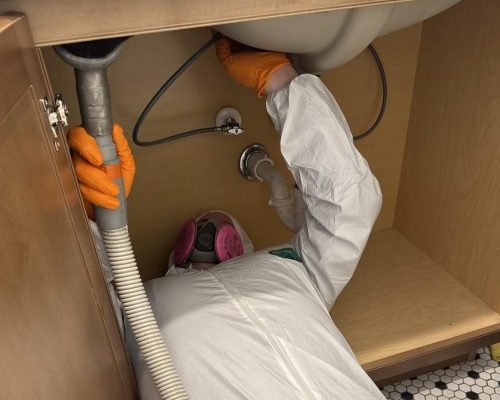

FIRST: RULE OUT AN ACTIVE SAFETY HAZARD
Leave the property and contact the appropriate utility or 911 if you suspect natural gas, fire, electrical overheating, chemical release or another immediate life-safety hazard. Sewer gas, wildlife, plumbing and HVAC sources may require the appropriate specialist.
Once the source is safe and controlled, AllStates can evaluate the affected property materials and remaining odor.
Call and describe the conditionCHOOSE THE ODOR CONDITION
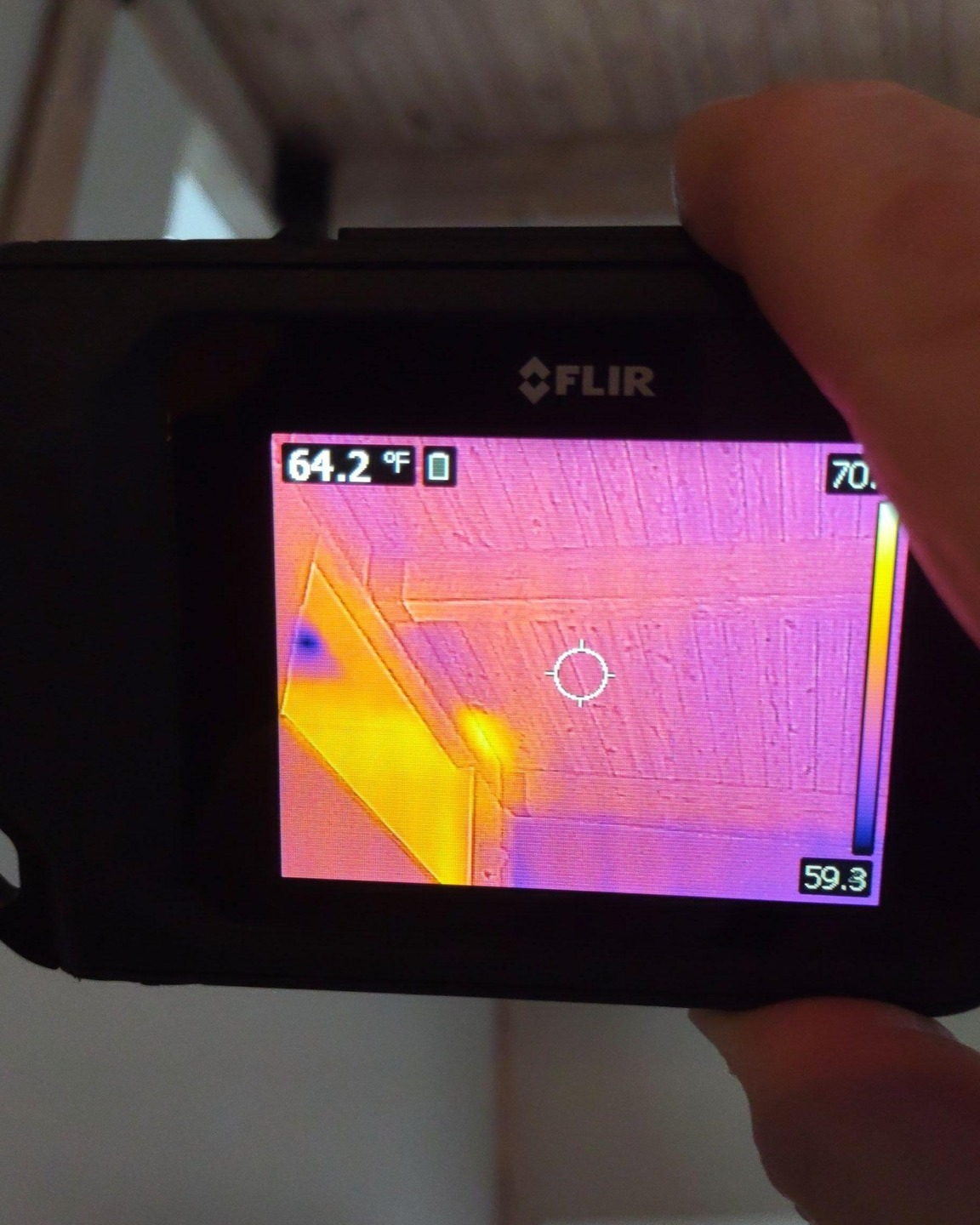
FOLLOW THE SOURCE AND THE AIR PATHWAY
Odor can move through HVAC systems, wall and floor openings, contents, porous finishes and adjoining rooms. We review the history, source, affected materials, moisture and air movement before recommending the scope.
FRAGRANCE IS NOT RESTORATION
When contaminated material remains, the odor may return after sprays, fogging or air treatment stops. The dependable sequence is to control the source, remove or clean affected materials, dry when necessary and then address residual odor.
THE ODOR-REMOVAL PROCESS
Review the event history, odor pattern, affected materials and likely pathways.
Confirm that fire, moisture, sewage, wildlife, plumbing or appliance causes are addressed.
Remove authorized non-restorable porous material when cleaning cannot address the source.
Use material- and contamination-appropriate cleaning rather than masking products.
Select a condition-appropriate deodorization method after source work and cleaning.
Evaluate the completed scope, explain limitations and organize relevant records.
METHODS FOLLOW THE CONDITION
Material compatibility, occupancy, source, concentration, air pathways and the restoration objective determine the treatment.
PET ODOR
Urine and other pet contamination can move through carpet and pad into wood, concrete, baseboards and adjoining materials. The scope depends on depth, duration, material condition and whether cleaning can reach the source.
Request a pet-odor assessmentSKUNK ODOR
A wildlife professional should remove the animal and correct entry points. AllStates can then evaluate affected indoor surfaces, textiles, contents and air pathways for cleaning and deodorization.
ODOR-REMOVAL QUESTIONS
Fragrance may temporarily cover an odor without removing the material or condition producing it. Persistent odor control begins with identifying the likely source, correcting the underlying condition and cleaning or removing affected materials before treating what remains.
Yes. Tobacco, fireplace, cooking and other smoke odors may be evaluated through the general odor-removal service. Structural-fire smoke and soot conditions are handled through the Fire and Smoke Restoration silo because they may involve broader residue, contents and building damage.
A musty odor can indicate moisture, microbial activity or damp materials, but odor alone does not identify the source or establish the extent. The moisture condition and affected materials should be assessed before deodorization is considered.
Sometimes. The result depends on how deeply contamination reached carpet, pad, wood, subfloor, baseboards or adjoining materials. Cleaning may be sufficient in limited conditions; heavily affected porous materials may require removal or sealing after appropriate cleaning and drying.
Skunk odor can affect surfaces, textiles, contents and air pathways. Wildlife removal and entry-point correction belong to an appropriate wildlife professional. AllStates can evaluate and clean the resulting indoor odor conditions after the source is no longer active.
No responsible contractor can guarantee every odor before the source, materials and hidden pathways are known. AllStates identifies the restoration objective, explains limitations and evaluates the completed work based on the authorized scope.
Yes. Commercial work may require phased access, occupant communication, HVAC coordination, after-hours scheduling, contents management and documentation for ownership or facility representatives.
REQUEST AN ODOR ASSESSMENT
Describe the property, affected rooms, known event, moisture or contamination history and anything already attempted.
CALL ALLSTATES RESTORATION732-722-5211DO NOT JUST COVER THE ODOR.