Assess exposure
Review smoking history, affected rooms, residues, odors, finishes, contents and HVAC indicators.

CIGARETTE, CIGAR & TOBACCO RESIDUE
Smoke odor embedded in the property? Assess. Clean. Deodorize. Prepare.
AllStates evaluates tobacco-smoke residue and odor affecting walls, ceilings, flooring, cabinets, contents and air pathways, then develops a cleaning and deodorization scope based on the property’s exposure and materials.
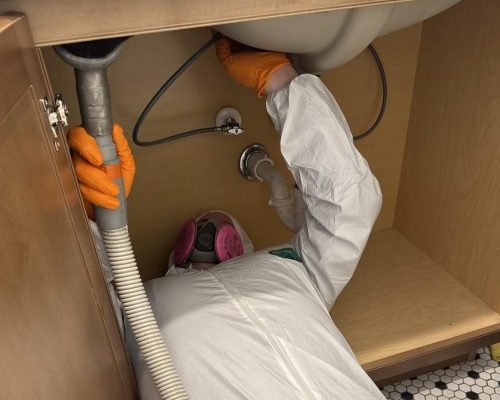

DO NOT PAINT OVER UNASSESSED RESIDUE
Repeated indoor smoking can deposit residue on walls, ceilings, trim, cabinets, windows, flooring, contents and HVAC components. Cleaning and surface preparation should be evaluated before repainting or sealing.
Planning a sale, rental turnover or renovation? Assess the full affected area before finishes and contents are replaced.
Call and explain the smoking historyDIFFERENT FROM STRUCTURAL-FIRE CLEANUP
A structure fire creates a specific combustion loss with heat, soot and property damage. Cigarette and cigar smoke commonly create widespread, long-term film and odor without a single fire event.
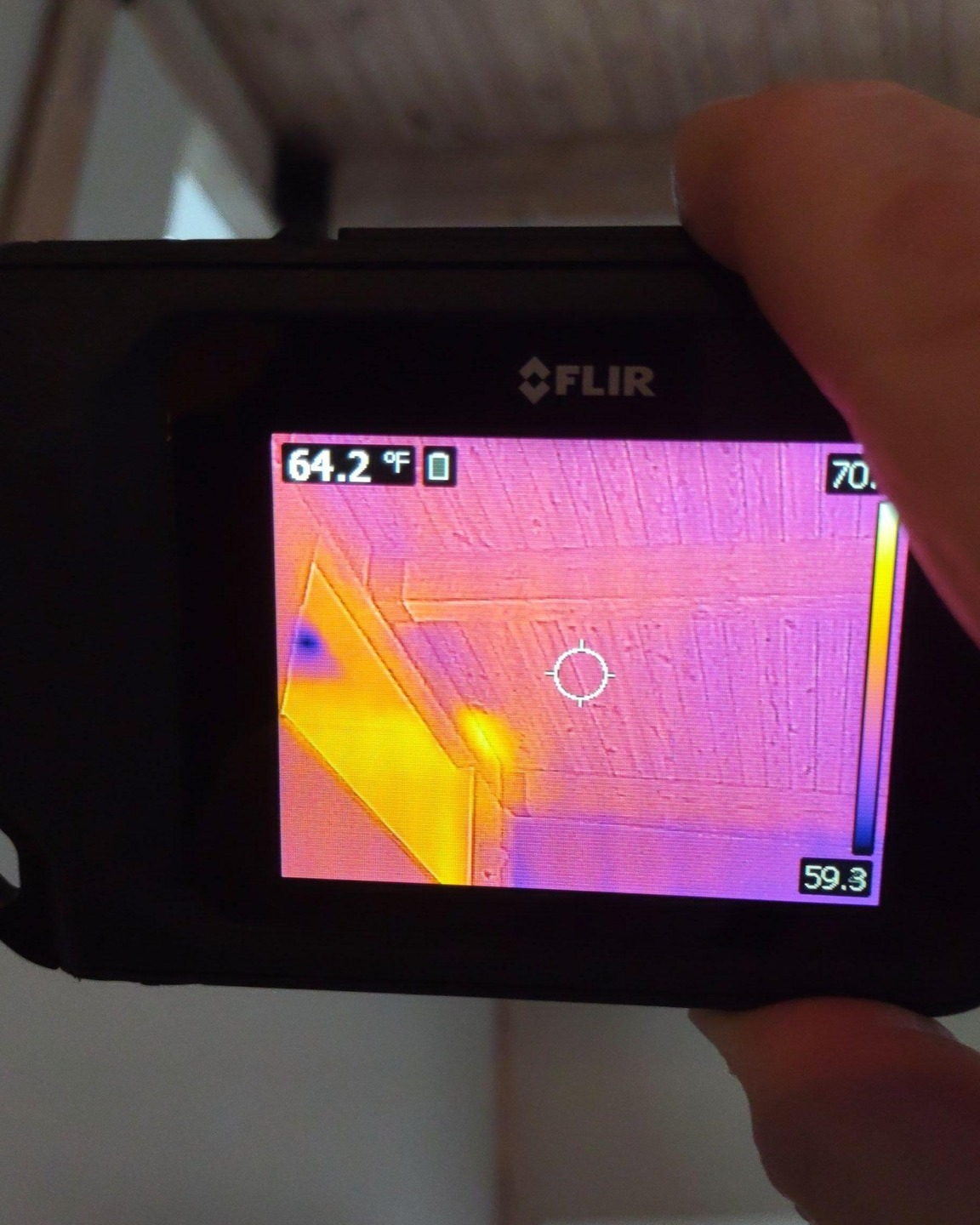
ASSESS THE WHOLE AFFECTED ENVIRONMENT
We evaluate the property history, residue patterns, material porosity, finishes, contents and air pathways before defining the authorized scope.
CLEAN BEFORE SEALING OR REPAINTING
Appropriate cleaning removes accessible residue and helps establish whether additional deodorization, sealing, material removal or reconstruction preparation is justified. Coatings should not be treated as a substitute for cleaning.
THE TOBACCO-ODOR RESTORATION PROCESS
Review smoking history, affected rooms, residues, odors, finishes, contents and HVAC indicators.
Define work zones, contents decisions and the sequence for surfaces, floors and detailed components.
Test compatible chemistry and technique on representative surfaces when appropriate.
Remove accessible film and residue using material-specific detailed cleaning.
Address remaining odor and identify cleaned surfaces requiring suitable sealing or finish work.
Evaluate the completed scope, explain limitations and organize project records.
MATERIALS RESPOND DIFFERENTLY
Exposure duration, porosity, finish condition and access determine whether an item can be cleaned, requires specialty processing or should be replaced.
CONTENTS MAY HOLD THE ODOR
Books, fabrics, furniture, mattresses, artwork and stored items can reintroduce odor after structural cleaning. Contents decisions should be part of the restoration plan.
Explore contents cleaning and deodorizationRENTAL & COMMERCIAL TURNOVER
Property managers and owners may need contents removal, access scheduling, HVAC evaluation, surface preparation and documented transition to painting or reconstruction.
CIGARETTE-SMOKE ODOR QUESTIONS
Yes. Cigarette and tobacco smoke usually create gradual residue and odor accumulation from repeated indoor smoking. Structural-fire restoration addresses combustion residues and property damage from a specific fire event. The assessment, safety conditions and restoration scope are different.
Paint can cover staining temporarily without removing residue from walls, ceilings, trim, cabinets, flooring, contents or HVAC pathways. Residues should be evaluated and surfaces properly cleaned and prepared before any appropriate sealing or coating work.
Many washable surfaces can be tested and cleaned, but results depend on finish, material, exposure duration, prior coatings and residue concentration. Damaged or highly porous materials may require additional preparation, sealing or replacement.
Not automatically. The system should be evaluated based on smoking history, operation, filter condition, visible residue, odor when operating and accessible component conditions. HVAC cleaning should follow actual evidence rather than being added to every project.
Yes. Upholstery, textiles, paper, unfinished wood and other porous contents can retain residue and odor. Items should be evaluated separately because cleaning methods and restoration potential vary by material and condition.
No responsible contractor should guarantee the result before the exposure history, materials and concealed pathways are known. AllStates defines the authorized scope, explains limitations and evaluates the completed work after cleaning and treatment.
Yes. Rental, multifamily, hospitality and commercial projects may require unit access, tenant coordination, contents decisions, HVAC review, phased cleaning and documentation for ownership or management.
REQUEST A TOBACCO-ODOR ASSESSMENT
Describe the affected rooms, duration, current finishes, contents, HVAC concerns and whether renovation or occupancy turnover is planned.
CALL ALLSTATES RESTORATION732-722-5211TOBACCO ODOR IS A SURFACE-AND-CONTENTS PROBLEM—NOT ONLY AN AIR PROBLEM.