Evaluate exposure
Identify the source, residue, material, construction, condition and practical restoration objective.

CONTENTS CLEANING & DEODORIZATION
Affected contents need the right cleaning process? Evaluate. Clean. Deodorize. Verify.
AllStates Restoration cleans and deodorizes restorable belongings affected by soot, smoke, water, mold and other property damage, using item-specific methods and coordinating qualified specialists when required.
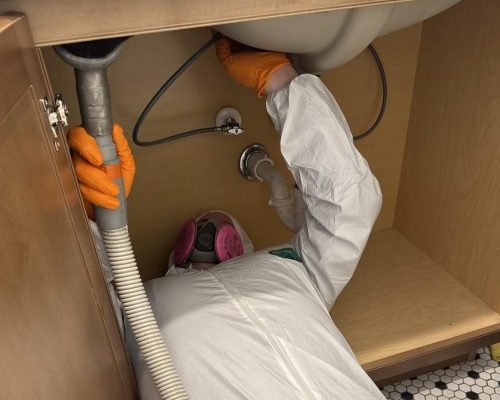

FIRST, DO NOT MOVE CONTAMINATION THROUGH THE PROPERTY
After fire, sewage, mold or significant water damage, avoid carrying affected belongings into clean rooms or discarding them before they are documented. Separate immediate necessities only when it is safe and authorized.
Need medication, documents or essential belongings? Tell our team which items are the highest priority.
Call and explain what was affectedA CONTROLLED CONTENTS RESPONSE
Our system connects belongings to the room they came from and the action they require.
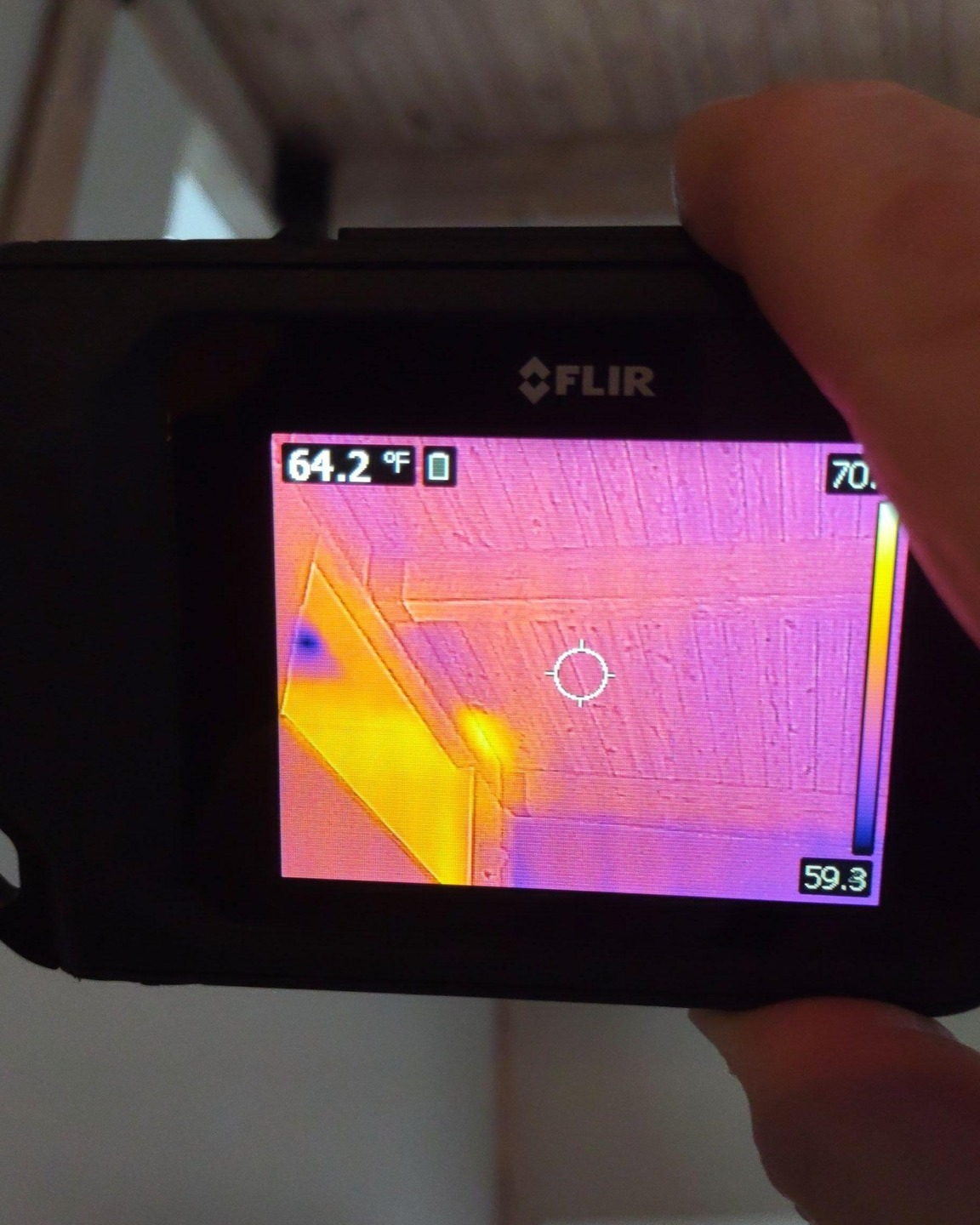
ASSESS BEFORE PACKING
We evaluate the damage source, exposure, material, construction, condition, sentimental or practical importance and available cleaning options before determining the next step.
CLEANING COMES BEFORE DEODORIZATION
Smoke odor, microbial odor and other contamination can remain when the physical source is still present. Our process starts with evaluation and appropriate cleaning, then adds deodorization methods that match the item and remaining condition.
THE CONTENTS CLEANING PROCESS
Identify the source, residue, material, construction, condition and practical restoration objective.
Use Encircle, photography and labels to organize items by room, condition and required process.
Confirm that the proposed technique is suitable before broader cleaning when sensitivity warrants testing.
Apply item-specific HEPA, dry, wet, ultrasonic, textile or detailed cleaning methods as appropriate.
Address remaining odor after cleaning and review the item before storage or specialty coordination.
Update the project record and coordinate return after the property and contents are ready.
METHODS MATCH THE ITEM
We select or coordinate cleaning based on the material, contaminant, construction, condition and restoration objective.
CONTENTS WE HELP MANAGE
IN-HOUSE OR QUALIFIED PARTNER
Our team may perform the packout and cleaning directly or coordinate qualified contents and labor partners based on project size, contamination, specialty needs, timing and capacity. We keep the documentation and communication connected.
Explore fire and smoke restorationCOMMERCIAL CONTENTS
Commercial packouts may require phased access, owner or tenant authorization, chain-of-custody controls, equipment specialists and coordination around ongoing operations.
CONTENTS CLEANING QUESTIONS
Many items can be evaluated for restoration. The result depends on the residue, heat exposure, material, finish, construction, duration of exposure and whether cleaning can be performed without causing additional damage.
Odor control begins with removing soot and residue through appropriate cleaning. Depending on the item and conditions, additional deodorization may follow. Fragrance or fogging alone is not a substitute for source removal.
Ultrasonic cleaning may be appropriate for many durable, nonporous hard contents. Items are evaluated for material, construction, finish and sensitivity before processing.
Many textiles can be separated, inventoried and processed using suitable specialty cleaning and deodorization methods. Delicate, contaminated or specialty textiles may require an appropriate partner.
The moisture source and environmental conditions must be addressed. Contents are evaluated by material, condition and cleanability, with containment and appropriate cleaning controls used when required by the project.
AllStates can evaluate and coordinate these items. Electronics may be handled in-house or by a qualified specialist; documents, photographs, artwork, antiques and other sensitive contents are matched to appropriate recovery resources.
We can document affected items, inventory, photographs, cleaning status and disposition information. Coverage and payment remain subject to the policy, limits and carrier determination.
CONTENTS CLEANING SUPPORT
For an active property emergency, calling is the fastest way to discuss access, immediate necessities, structural work and belongings at risk.
CALL ALLSTATES RESTORATION732-722-5211THE RIGHT CLEANING METHOD PROTECTS RESTORABLE CONTENTS.