Command contacts
Confirm facility authority, safety, access, operations, security and communication contacts.

RESTORATION SUPPORT FOR NEW JERSEY FACILITY MANAGERS
Stabilize the incident. Protect operations and organize recovery.
AllStates supports facility managers after water, fire, smoke, mold, sewage, storm and contents damage with emergency stabilization, phased work zones, large-area drying, specialty cleaning, vendor coordination and organized documentation.
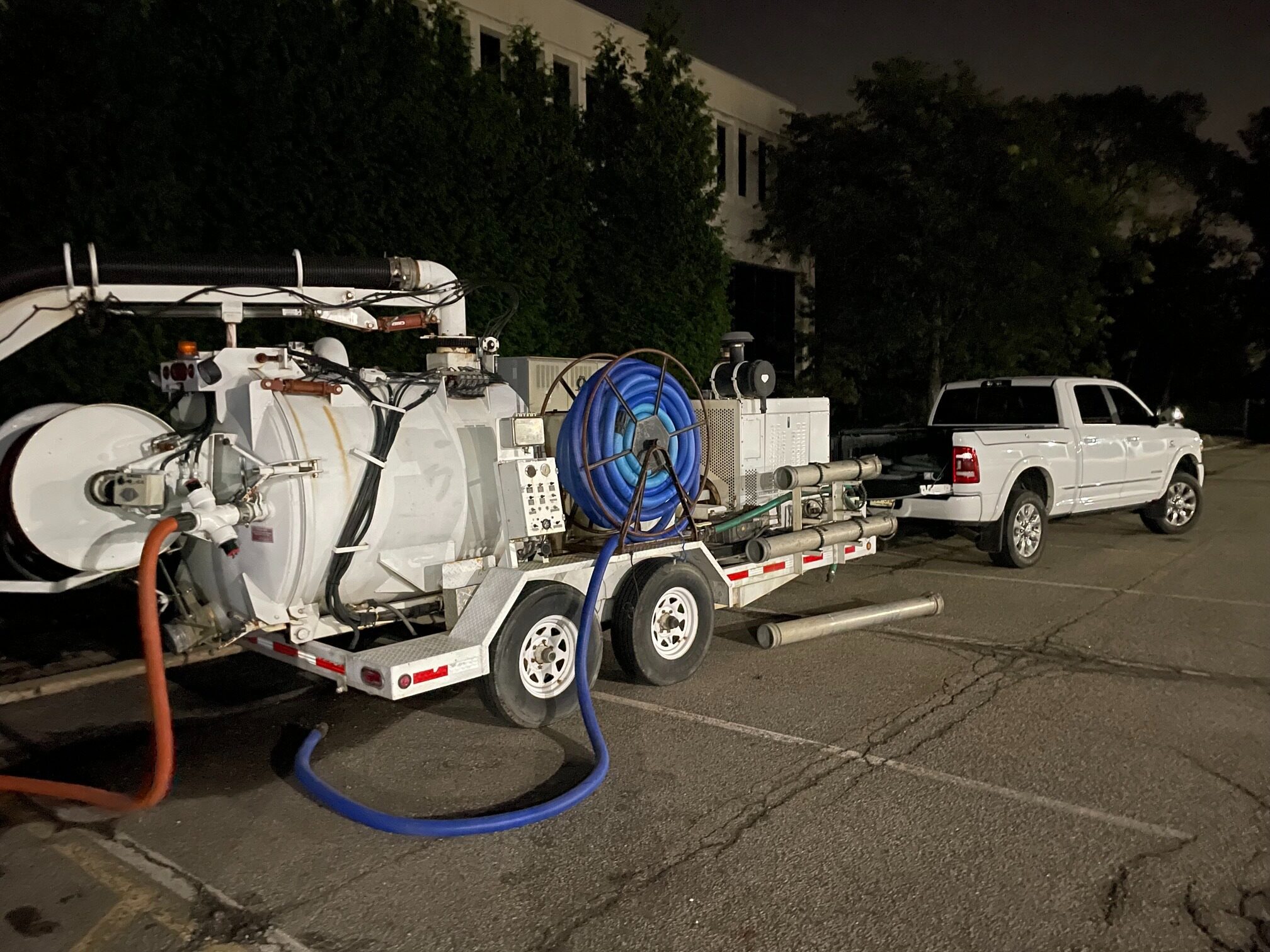

FACILITY COMMAND BEFORE MULTIPLE WORK STREAMS
Facility leadership may coordinate internal engineering, security, ownership, occupants, regulators, insurers, consultants and outside trades. Restoration priorities require verified contacts and a clear escalation path.
AllStates organizes its restoration work within the facility’s approved command structure. Authorities and qualified trades retain responsibility for their own restrictions, systems and repairs.
See the facility workflowFACILITY RESPONSE SUPPORT
Confirm facility authority, safety, access, operations, security and communication contacts.
Define affected buildings, floors, departments, systems, contents and migration paths.
Identify life-safety, production, data, inventory, public and high-value spaces.
Sequence restoration with utilities, engineering, repair trades, consultants and construction teams.
Use containment, access routes and scheduling to separate restoration from unaffected operations.
Track conditions, work areas, equipment, dependencies, changes and next-shift priorities.
MULTI-SERVICE FACILITY CAPABILITIES
One facility emergency may require several connected restoration disciplines.
OPERATIONAL CONTINUITY
Facility leadership identifies essential operations. AllStates develops restoration zones and sequencing around those priorities when safety and damage conditions permit.
RESTRICTED AND SENSITIVE AREAS
Access, photography, documentation, worker screening, protective equipment and material handling can be adapted to written facility requirements established before entry.
FACILITY-RESPONSE WORKFLOW
The plan changes as incident conditions and operational priorities become known.
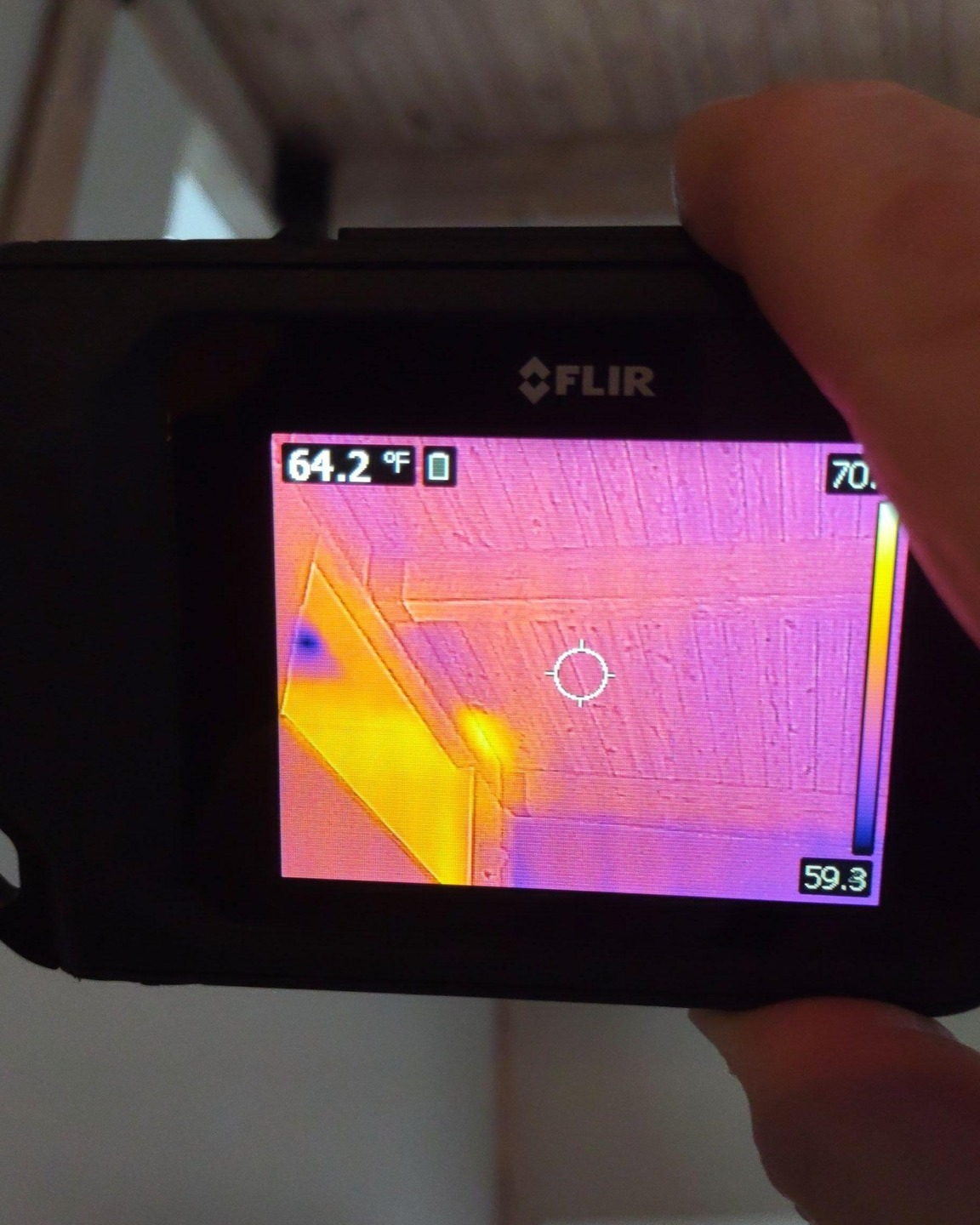
FACILITY DOCUMENTATION
FACILITIES WE SUPPORT
CONTRACTOR & PROPERTY-PROFESSIONAL SUPPORT
Each page defines how AllStates restoration work coordinates with the referring professional’s repair, management or facility role.
FACILITY MANAGER QUESTIONS
AllStates supports offices, warehouses, industrial properties, schools, healthcare, hospitality, retail, multifamily, municipal and other managed facilities. Actual capacity and mobilization depend on incident conditions and resources.
Often, yes. Work may be phased by building, floor, production area or shift when conditions allow. Life safety, contamination and authority restrictions take priority over continuity.
The emergency line is answered 24/7, and planned work may be scheduled around operations. Mobilization and work hours depend on safety, access, authorization, incident scale and resources.
Yes. AllStates can sequence restoration around facility engineering, plumbers, roofers, electricians, HVAC, security, consultants and construction teams. Each party remains responsible for its own scope.
Depending on materials and conditions, capabilities may include HEPA cleaning, dry ice blasting, laser cleaning, ultrasonic cleaning and corrosion control, with specialist or third-party coordination where required.
Yes, when authorized and practical. Items are documented and inventoried, then labeled and packed before removal, transport, processing or storage.
Depending on the project, records may include photographs, affected-zone maps, Matterport, Encircle, moisture information, equipment, monitoring, work activities, dependencies and completion notes.
Yes. A separate pre-incident planning process can organize contacts, access, utilities, critical areas and activation information before property damage occurs.
REQUEST FACILITY RESTORATION SUPPORT
Send the facility location, incident conditions, affected operations, hazards, restricted areas, access instructions and authorized leadership contacts.
CALL ALLSTATES RESTORATION732-722-5211PROTECT THE FACILITY AND ITS OPERATION.