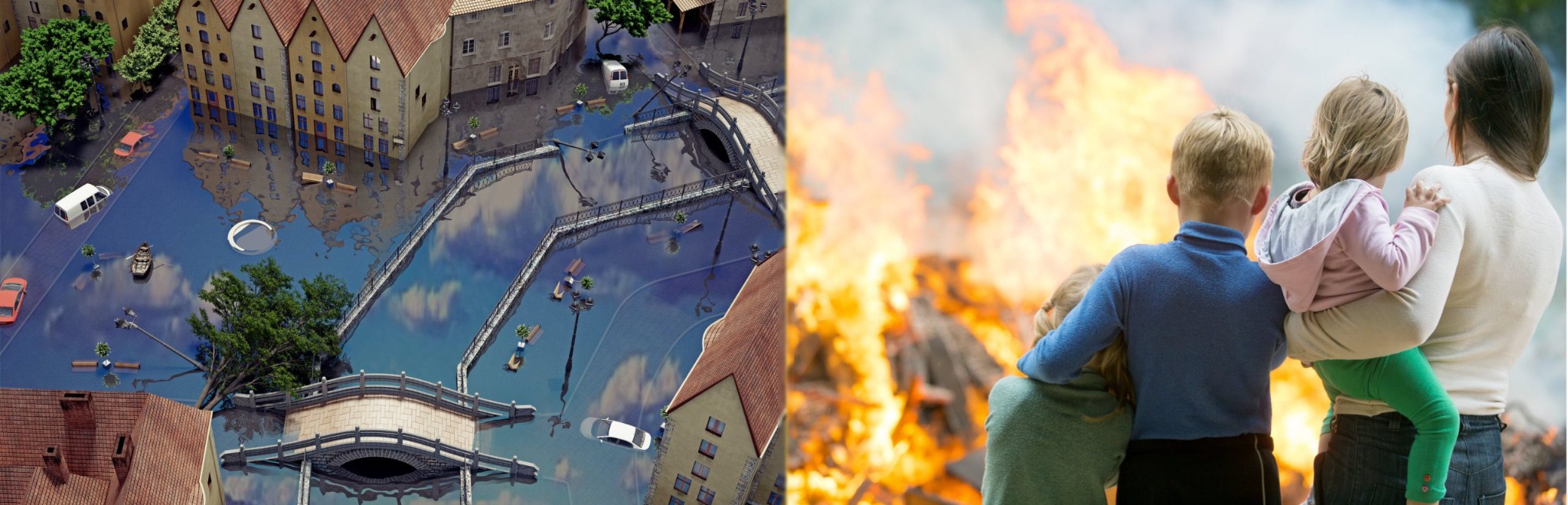
ELECTRICIAN DEALING WITH ACTIVE PROPERTY DAMAGE?Establish electrical safety first, then call with the affected area, access needs and customer authorization.CALL 732-722-5211
Menu
24 HOUR EMERGENCYSERVICE732-722-5211

RESTORATION SUPPORT FOR NEW JERSEY ELECTRICIANS

Property Cleanup and Drying Around Electrical Repairs

You make the electrical system safe.
We restore the affected work area.

AllStates supports electricians after water, fire, smoke, soot and access-related property damage with extraction, containment, contents protection, controlled cleanup, structural drying, corrosion-control coordination and documentation.

Electrical safety firstClear trade boundariesMatterport and Encircle
Restoration support around an electrical repair area after property damage
AllStates Cleaning & Restoration Services BBB Business Review

ELECTRICAL SAFETY COMES FIRST

Restoration begins only after safe work boundaries are established.

The electrician or appropriate qualified authority diagnoses the electrical condition, isolates hazards, identifies restricted areas and determines whether equipment may be tested, repaired or energized.

AllStates does not approve electrical safety or energization. We perform property restoration within the boundaries established by qualified professionals.

See the coordinated workflow

RESTORATION SUPPORT SCOPES

Control the structure and contents surrounding the electrical work.

01

Water extraction

Remove standing water after electrical isolation and safe access are confirmed.

02

Moisture mapping

Evaluate accessible walls, floors, ceilings, insulation and assemblies around the incident.

03

Containment and AFD

Control dust, soot and debris with containment and HEPA-filtered air filtration where appropriate.

04

Contents protection

Protect in place or complete a documented pack-out to clear the electrician’s access area.

05

Cleaning and drying

Clean compatible structural surfaces and dry suitable building materials within the authorized scope.

06

Documentation

Record affected areas, restoration activities, environmental conditions and remaining boundaries.

WATER, FIRE, SOOT AND CORROSION

Different damage conditions require different restoration controls.

The electrical professional determines the equipment condition. AllStates addresses compatible building materials, contents and the surrounding environment.

Water near panels or wiringRestrict access until electrical hazards are isolated, then address water and affected building materials.
Fire and soot residueContain and clean compatible surrounding surfaces without representing internal equipment as electrically safe.
Humidity and corrosion riskCoordinate environmental control and surface stabilization after safety and material compatibility are established.
Wet walls and ceilingsAssess concealed moisture around electrical penetrations before controlled access or drying.
Dusty repair accessProtect occupied areas and use an air-filtration device inside containment when that setup is required.
Sensitive equipmentCoordinate manufacturer, electrician or specialty-restoration review rather than applying a general cleaning method.

CONTENTS PACK-OUT

Document before removing items from the electrical work area.

AllStates photographs and inventories contents first, then labels and packs them before removal, transport or secure storage.

CONTROLLED ACCESS

Open only what the repair and restoration scopes require.

Electrical and restoration teams coordinate access to walls, ceilings, floors or equipment areas so responsibility for each opening and repair remains clear.

ELECTRICIAN-SUPPORT WORKFLOW

Isolate. Document. Protect. Repair. Restore. Verify.

The sequence begins with qualified electrical safety decisions.
  1. 01Electrician establishes safety. Isolation, restricted zones and energization decisions remain with the qualified electrical professional.
  2. 02AllStates documents conditions. Record water, soot, materials, contents and access requirements.
  3. 03Prepare the work area. Extract when safe and establish protection, containment or contents support.
  4. 04Electrician completes electrical work. Diagnosis, testing, repair and approval remain within the electrical scope.
  5. 05AllStates completes restoration. Cleanup, drying, monitoring and documentation follow the authorized scope.
  6. 06Transition clearly. Completed work and remaining reconstruction are explained to the customer.
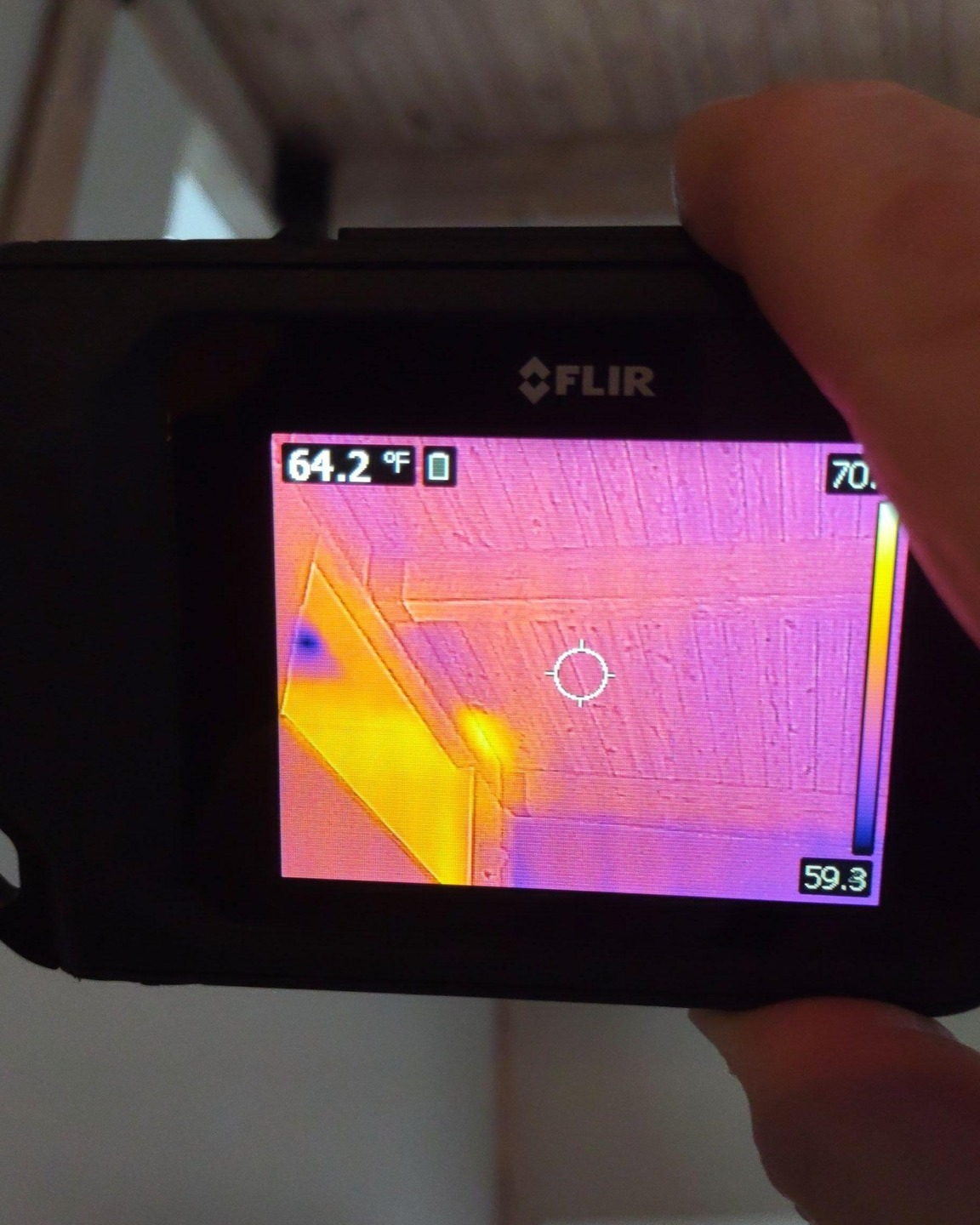
Moisture mapping around an electrical repair area

PROJECT DOCUMENTATION

Keep electrical findings and restoration records connected but distinct.

  • Electrical safety information supplied by the electrician
  • Pre-access photographs and affected-area records
  • Moisture mapping and comparison areas
  • Matterport scans and Encircle documentation
  • Contents, containment and restoration equipment records
  • Monitoring, completion and remaining-scope information

COMMON ELECTRICIAN-SUPPORT CALLS

Restore the work area after safety is established.

CONTRACTOR & PROPERTY-PROFESSIONAL SUPPORT

Choose the support page that matches your responsibility.

Each page defines how AllStates restoration work coordinates with the referring professional’s repair, management or facility role.

ELECTRICIAN SUPPORT QUESTIONS

Keep electrical safety and property restoration responsibilities clear.

When should an electrician call AllStates Restoration?+

Call when water, fire, smoke, soot, corrosion, dust or damaged building materials surround electrical equipment or the access area. Electrical safety and isolation must be addressed before restoration work proceeds.

Does AllStates inspect or repair electrical systems?+

No. A qualified electrician remains responsible for electrical diagnosis, isolation, testing, repair and authorization to energize. AllStates handles the separately authorized property-restoration work.

Can water be extracted around electrical equipment?+

Only after the electrical hazards and safe work boundaries are established by the appropriate qualified professional. AllStates then performs authorized extraction and cleanup within those boundaries.

Can you clean soot near electrical equipment?+

AllStates can assess and clean compatible surrounding structural surfaces and contents. Energized, sensitive or internal electrical components require the electrician, manufacturer or qualified specialty provider.

Can you help limit corrosion after water or fire damage?+

Yes. Once electrical safety is established, AllStates can coordinate environmental control and appropriate surface stabilization. Sensitive components may require specialist evaluation or restoration.

Can contents be packed out from the work area?+

Yes. Contents are photographed and inventoried, then labeled and packed before removal, transport or storage when access or protection requires it.

How is the project documented?+

Depending on the incident, documentation may include photographs, moisture mapping, Matterport, Encircle, affected-area records, containment, equipment and monitoring information.

Will AllStates protect the electrician’s customer relationship?+

Yes. Each company explains its own findings, pricing and responsibility. Communication and referral boundaries should be defined at the start.

REQUEST ELECTRICIAN RESTORATION SUPPORT

Tell us what happened and what the electrician has made safe.

Send the customer-authorized property details, affected area, electrical safety status, photographs, access needs, repair plan and timing.

CALL ALLSTATES RESTORATION732-722-5211
WHAT HAPPENS NEXT
  • We confirm safe access. Qualified electrical boundaries come first.
  • We define responsibilities. Electrical and restoration scopes remain separate.
  • We coordinate timing. Isolation, access, repair and restoration follow the incident conditions.

YOU MAKE THE ELECTRICAL SYSTEM SAFE.

We restore the affected work area.

Call 732-722-5211Request support
CALL NOW — 732-722-5211
AllStates Restoration · AllStates Services LLC · NJ Home Improvement Contractor Registration #13VH05348300
*Less-than-45-minute response is a local emergency response target, not a guarantee; timing varies by location, traffic, weather, conditions and crew availability.