Authorized contacts
Ownership, facility, property-management, security and after-hours decision contacts.

PRE-LOSS COMMERCIAL RESTORATION PLANNING
Build the information before the loss. Use it when every minute feels expensive.
AllStates helps commercial property owners, facility teams and managers organize site information, authorized contacts, access, critical areas, documentation and restoration activation procedures before water, fire, sewage, storm or other property damage occurs.
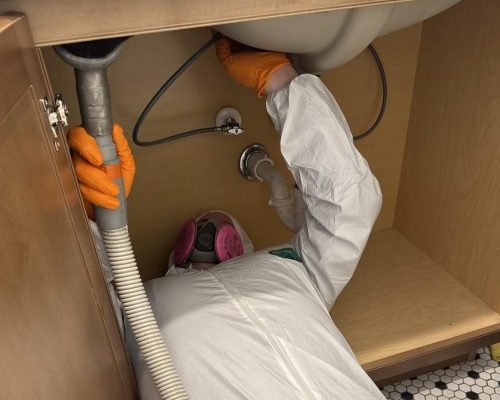

THE FIRST HOUR IS A BAD TIME TO FIND THE SHUTOFF MAP
A restoration contractor arriving at an unfamiliar commercial property still needs authorization, safe access, incident information, facility contacts, affected-area priorities and building-system context.
The plan does not prevent every delay. It creates a verified starting point and a communication path that can be activated and updated as incident conditions become known.
See the plan elementsCORE RESPONSE-PLAN ELEMENTS
Ownership, facility, property-management, security and after-hours decision contacts.
Gates, keys, credentials, alarm procedures, roof, loading and restricted-area requirements.
Water, electrical, gas, fire protection, HVAC, elevators, data and mechanical-room information.
Essential operations, sensitive contents, records, equipment, tenants and high-consequence areas.
Insurance, onboarding, safety, security, procurement, parking, deliveries and work-hour rules.
Who receives updates, who approves changes and how incident information is distributed.
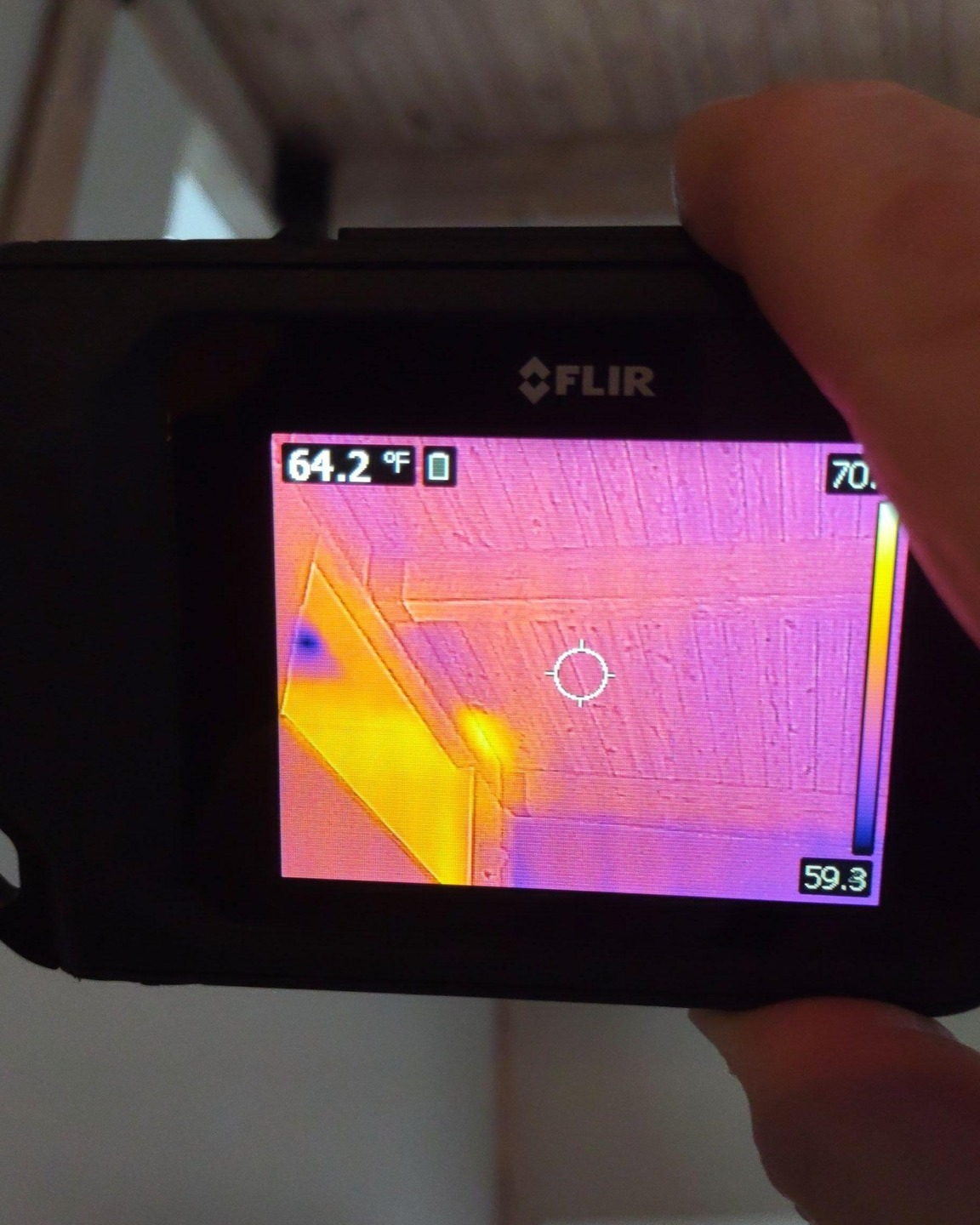
PRE-LOSS PROPERTY DOCUMENTATION
Pre-loss records may support faster orientation and comparison after an incident. Access and retention must reflect facility security and privacy requirements.
PLANNING BY FACILITY TYPE
A school, hotel, warehouse, healthcare property and manufacturing plant do not share the same occupant, access, equipment or continuity risks.
PLANNING PROCESS
The final plan must be understandable to the people expected to use it after hours.
WHAT THE PLAN CAN DO
A current plan can help authorized participants start with better property information and fewer preventable questions.
WHAT THE PLAN CANNOT PROMISE
Incident safety, weather, demand, authorization, access and project scale still determine actual mobilization and recovery.
EMERGENCY RESPONSE PLANNING QUESTIONS
It is a property-specific collection of authorized contacts, access instructions, utility and building information, critical areas, vendor requirements, communication procedures and restoration activation steps prepared before a loss.
Ownership, property management, facility operations, safety, security, IT, risk management and other authorized stakeholders should identify their roles. Outside trades and consultants may be included where appropriate.
Useful information may include building and floor plans, shutoff locations, electrical and mechanical rooms, roof and loading access, keys or credentials, critical equipment, sensitive contents, occupant concerns and contractor rules.
Yes. Matterport may help document layout, rooms, equipment locations and access before a loss. Permissions, security, privacy, sensitive areas and update procedures must be established.
No. A plan improves information and activation but cannot guarantee arrival time, resource availability or outcome. Actual response depends on safety, incident scale, location, weather, access, authorization and concurrent demand.
Review it at least annually and whenever contacts, tenants, access systems, construction, utilities, critical equipment, vendors or facility operations materially change.
No. Restoration planning supports property recovery. It does not replace fire, evacuation, medical, security, hazardous-material, continuity or regulatory plans maintained by the responsible organization.
A portfolio can use shared procedures and contacts, but each property still needs site-specific access, utilities, risks, critical areas, local contacts and vendor requirements.
REQUEST A PRE-LOSS PLANNING REVIEW
Send the property type, number of locations, square footage range, operating hours, primary facility contact and the incident risks you want the plan to address.
CALL ALLSTATES RESTORATION732-722-5211DO THE ORIENTATION BEFORE THE EMERGENCY.