Confirm authorization
Identify ownership, facility leadership, emergency contacts, access and decision authority.

24/7 LARGE-LOSS COMMERCIAL RESPONSE
Scale resources quickly. Keep command, documentation and responsibility controlled.
AllStates coordinates water, fire and smoke, storm, sewage, mold, contents and specialty restoration for major commercial losses involving extensive areas, complex operations and multiple stakeholders.
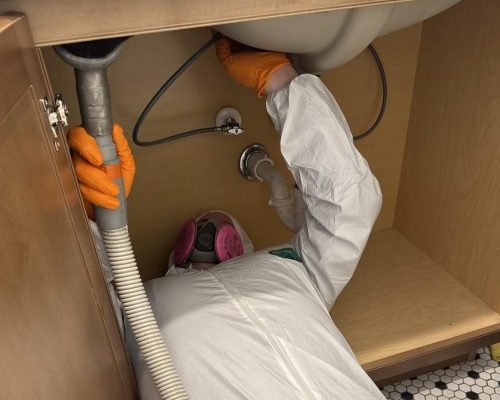

FIRST: ESTABLISH CONTROL OF THE INCIDENT
Large losses require one authorized path for site access, safety, scope decisions, communication and changing priorities. Uncontrolled mobilization can create congestion, duplicated work, documentation gaps and new hazards.
Public authorities and facility leadership retain their roles. AllStates coordinates restoration activity within the authorized work area and defined contractual scope.
Build the command structureLARGE-LOSS MOBILIZATION
Identify ownership, facility leadership, emergency contacts, access and decision authority.
Protect people, address active sources and coordinate utility, fire, structural and environmental hazards.
Define buildings, floors, rooms, systems, contents, migration paths and known limitations.
Match leadership, labor, equipment, power, materials and specialty providers to the initial scope.
Separate work, equipment, debris and delivery pathways from approved occupied or protected areas.
Prioritize stabilization, extraction, contents protection, removal, cleaning and drying by zone.
RESTORATION COMMAND
Restoration leadership manages crew assignments, work zones, equipment, production records, safety within scope, daily priorities and escalation of changed conditions.
FACILITY COMMAND
Facility leadership controls operations, occupants, secure areas, utilities, production decisions, internal communication and authorization for project changes.
BUSINESS-CONTINUITY COORDINATION
Phasing may support unaffected areas, but occupancy and production decisions remain with facility leadership and appropriate authorities.
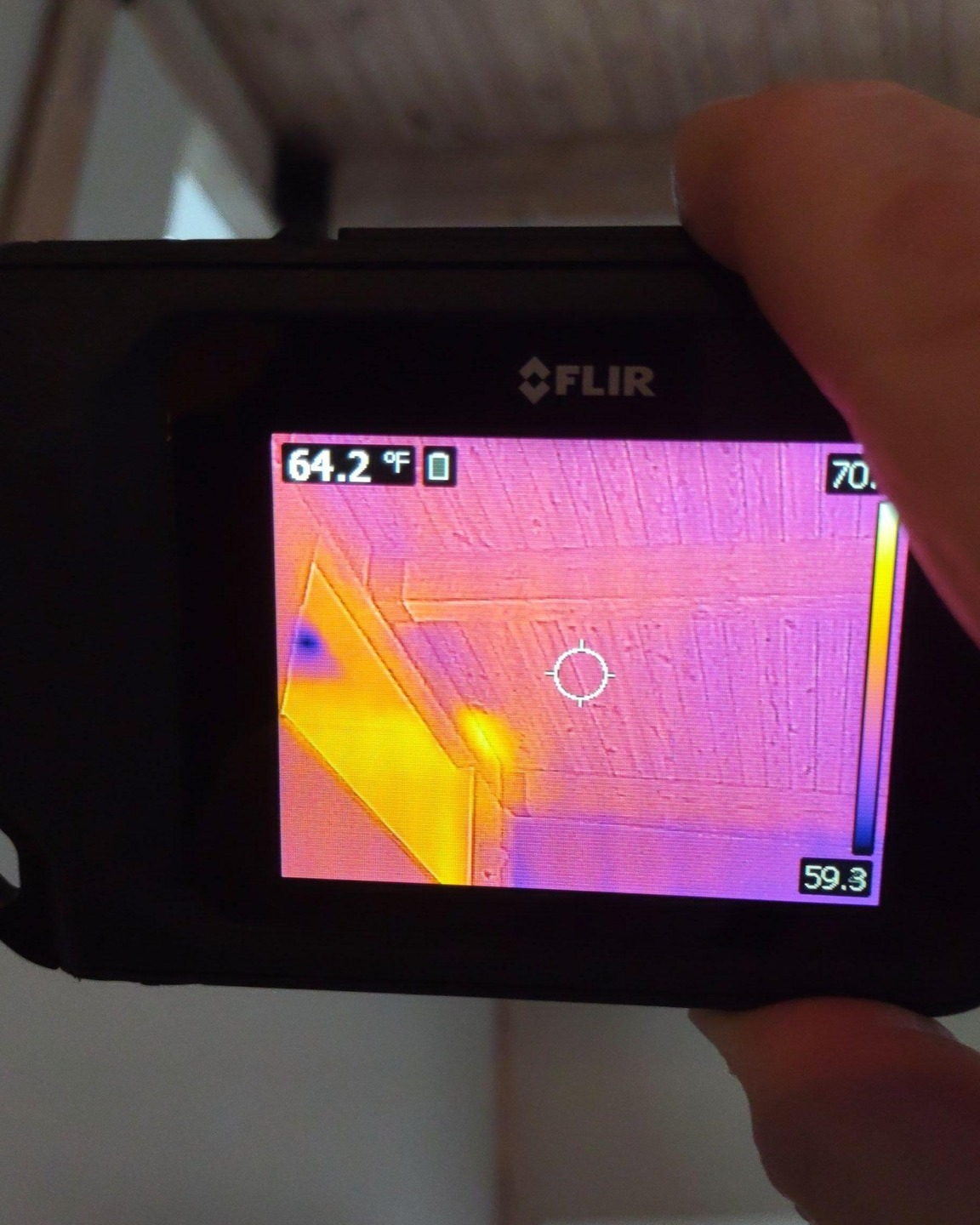
LARGE-LOSS DOCUMENTATION
Documentation is adapted to the incident, contract and authorized project participants.
LARGE-LOSS PROPERTY TYPES
RESTORATION DISCIPLINES
AllStates organizes disciplines around the actual incident rather than treating each condition as an isolated project.
LARGE-LOSS RESTORATION QUESTIONS
A large loss may involve extensive square footage, multiple floors or buildings, critical operations, complex hazards, major contents impact, large equipment and labor requirements or many project stakeholders. Complexity matters as much as size.
Yes. AllStates can mobilize internal resources and coordinate qualified labor, equipment and specialty partners as the documented scope requires. Project leadership, safety, training and defined responsibilities remain essential as resources expand.
The project should have authorized contacts for ownership, facility operations and restoration leadership. Additional communication may include property management, tenants, consultants, contractors, adjusters and public authorities.
Facility leadership and appropriate authorities make operational decisions. Controlled zones and phased work may support unaffected areas, but shared utilities, contamination, access, noise, security and life-safety requirements must be evaluated.
Depending on the project, documentation may include Matterport scans, Encircle records, photographs, affected-area maps, moisture and environmental data, equipment records, labor activities, contents inventories, daily reports and organized communication.
AllStates coordinates restoration within its scope and can work with plumbers, electricians, roofers, engineers, environmental consultants, reconstruction teams and specialty providers. Contractual responsibility for each trade must be defined.
No. AllStates documents observed conditions and restoration work. Coverage, limits, exclusions, pricing review and payment are determined through the policy and applicable claim process.
Initial coordination begins when the emergency call is received. Actual mobilization depends on safety, location, access, incident scale, resource requirements, weather and authorization.
REQUEST LARGE-LOSS MOBILIZATION
Send the property address, incident type, affected buildings or floors, current hazards, operational status, access requirements and ownership/facility contacts.
CALL ALLSTATES RESTORATION732-722-5211SCALE THE RESOURCES.