Assess
Evaluate the contaminant, system design, duct materials, accessible components and affected boundaries.

FIRE & SMOKE HVAC RESTORATION
Smoke, soot or odor inside the system? Inspect the pathway. Clean the affected components.
AllStates evaluates HVAC pathways after fire and smoke damage, defines the affected scope and cleans accessible components in-house or coordinates qualified specialty support when needed.
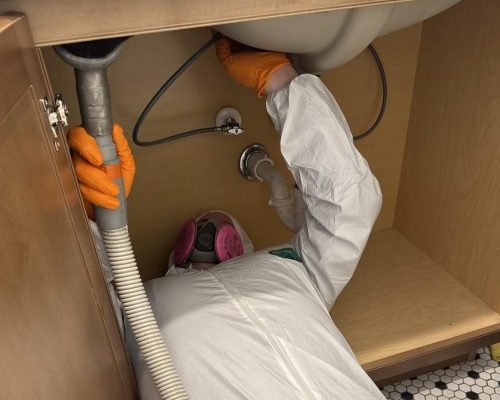

FIRST, AVOID REDISTRIBUTING CONTAMINATION
If smoke, soot or another contaminant may have entered the return or supply system, operating the HVAC equipment can move residues into additional rooms and previously cleaned areas.
Not sure whether the system was affected? Turn it off when safe to do so and ask for an evaluation before operation.
Call and describe what happenedMORE THAN VACUUMING VENT COVERS
Registers may look clean while contamination remains at returns, filters, the blower, coils, plenums or accessible duct surfaces.
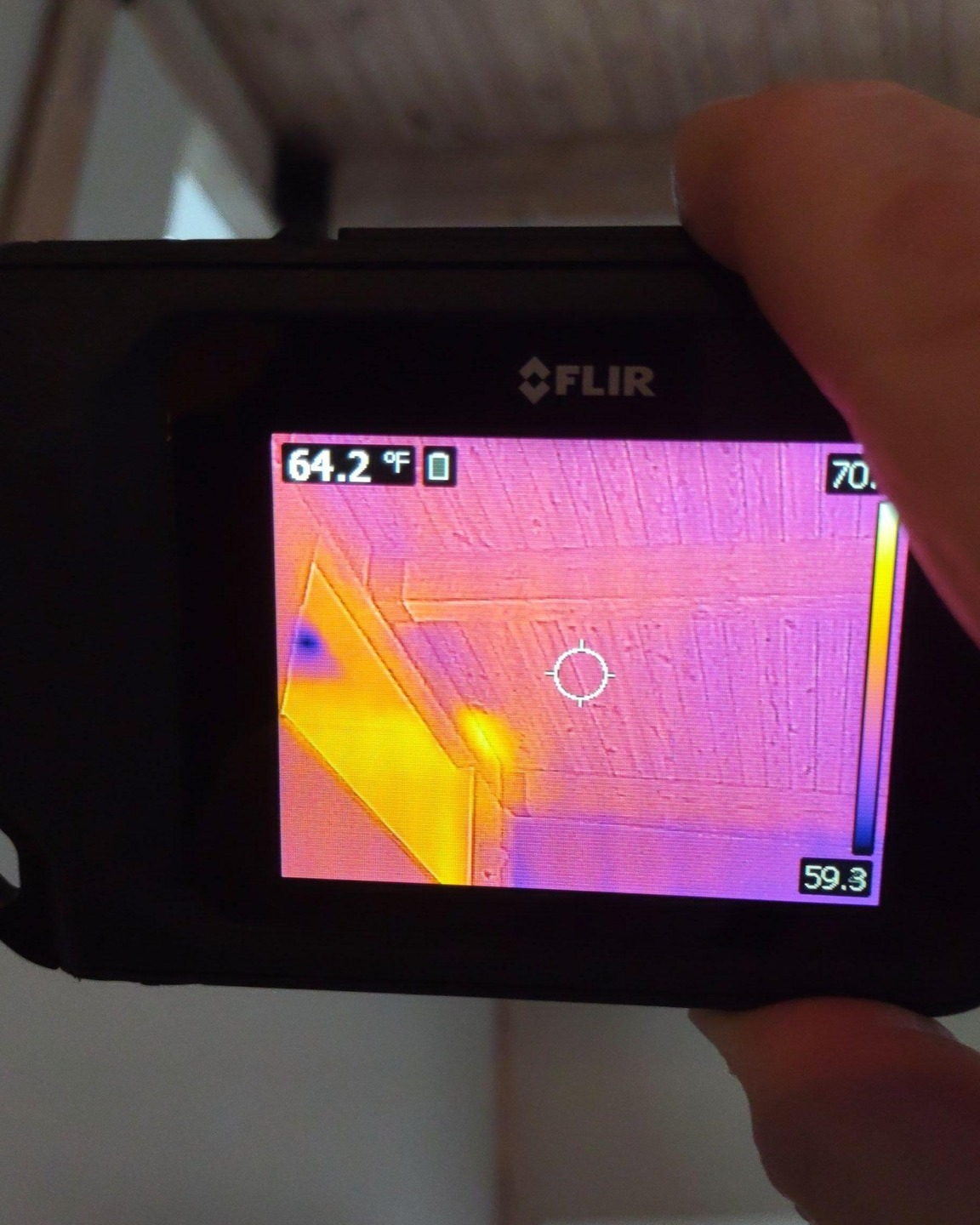
ASSESS THE FULL AIR PATHWAY
We evaluate the event, system operation, visible residues, odor, filters, returns, supplies and accessible mechanical components. The assessment connects the HVAC work to conditions throughout the property.
CLEAN THE SYSTEM AS A SYSTEM
The work should address the affected air pathway and accessible components—not simply the visible grille. The system design, duct material, contamination and restoration objective determine whether components should be cleaned, replaced or handled by a specialty contractor.
THE HVAC AND AIR-DUCT CLEANING PROCESS
Evaluate the contaminant, system design, duct materials, accessible components and affected boundaries.
Protect occupied or cleaned areas and isolate system sections as appropriate for the project.
Create controlled negative pressure and HEPA-filtered collection when appropriate to the system and scope.
Use suitable brushes, air tools, contact vacuuming or other methods for the duct material and residue.
Clean or coordinate the blower, coils, drain pan, plenums, registers and filters included in the defined scope.
Inspect accessible cleaned areas, document the work and explain filter or follow-up recommendations.
THE SCOPE MATCHES THE SYSTEM
A restoration-related HVAC cleaning should be designed around the actual construction and conditions—not sold as a one-size-fits-all package.
WHEN HVAC CLEANING MAY BE NEEDED
IN-HOUSE OR SPECIALTY PARTNER
We may perform HVAC cleaning directly or coordinate a qualified third party depending on system complexity, project requirements and current capacity. When it is part of a restoration loss, we keep the work connected to the larger scope.
Discuss the HVAC conditionsCOMMERCIAL SYSTEMS
Commercial projects may require system zoning, after-hours work, tenant coordination, mechanical contractors and documented sequencing with other restoration activities.
HVAC AND AIR-DUCT CLEANING QUESTIONS
Air ducts are part of the HVAC system. A restoration-related project may include supply and return ductwork, registers, grilles, filters, the air handler, blower, coils and accessible components—not simply vacuuming vent covers.
Do not operate a potentially affected system until it has been evaluated. Running it may redistribute smoke particles, soot and odor into additional rooms or cleaned areas.
No. The need depends on whether the system was operating, smoke pathways, visible residues, filter conditions, return and supply contamination, odor and the type and extent of the fire. Inspection should determine the scope.
Cleaning affected HVAC components may remove an important odor reservoir, but the rest of the property must also be addressed. Duct cleaning alone cannot correct smoke residues remaining on walls, ceilings, contents, insulation or concealed materials.
Depending on the system, project requirements and current capacity, AllStates may perform the work in-house or coordinate a qualified third-party specialist. When part of a restoration project, the HVAC scope remains connected to the overall cleanup plan.
Documentation may include the system areas evaluated, photographs, filter conditions, accessible components, cleaning activities, equipment and recommendations. The exact record depends on the project scope.
HVAC-SYSTEM CLEANING HELP
Call if smoke, soot, odor or another restoration condition may be moving through your HVAC system. You may also send a short request describing the event, property and system concerns.
CALL ALLSTATES RESTORATION732-722-5211DO NOT LET THE HVAC SYSTEM REDISTRIBUTE THE DAMAGE.