Assess conditions
Define the moisture source, affected boundary, access, hazards and project criteria.

BELOW-GRADE MOLD & MOISTURE RESPONSE
The musty odor may be upstairs. The moisture source may be below the home.
We assess seepage, leaks, flooding, humidity, ground moisture and affected materials before defining containment, removal, cleaning, drying and verification.
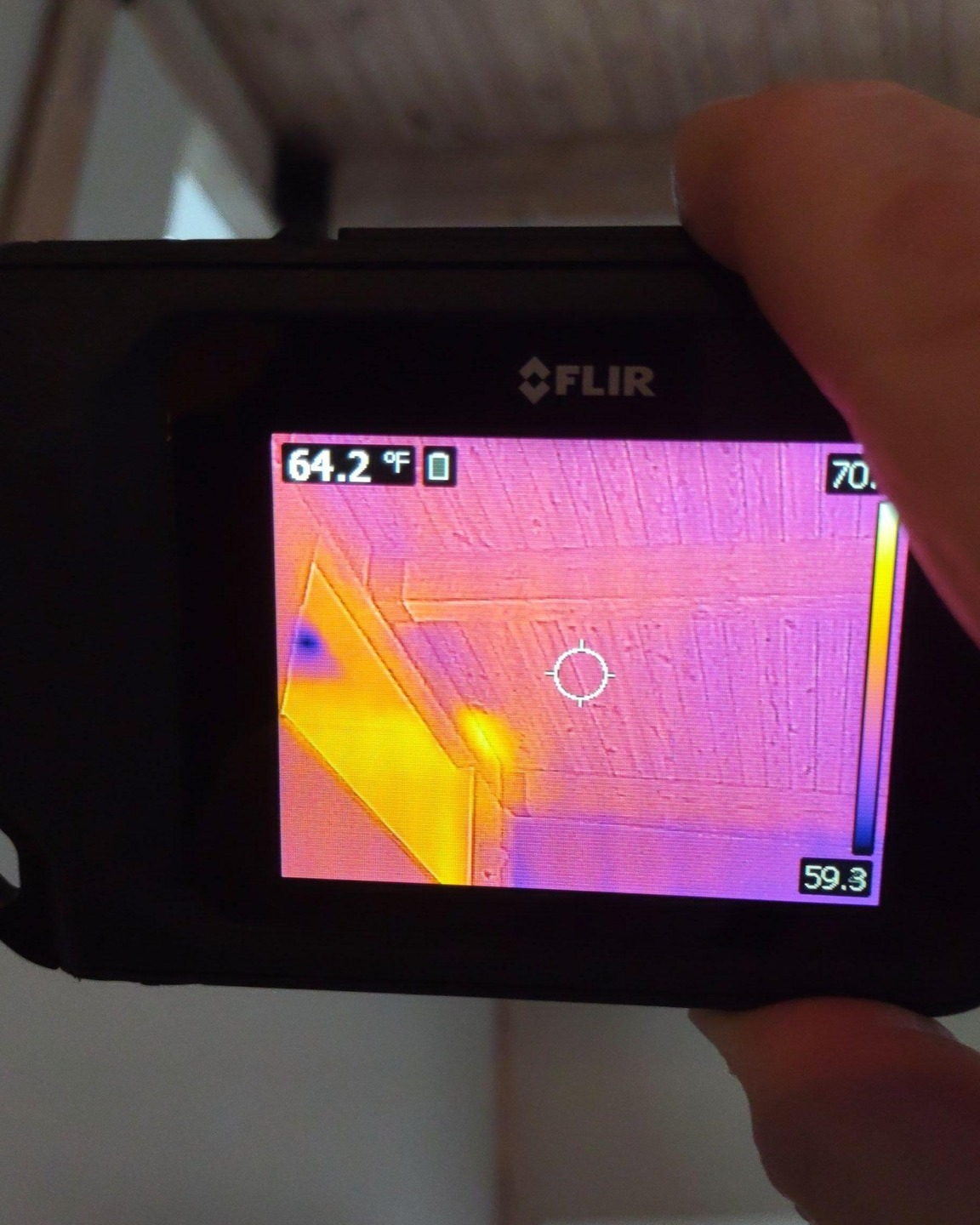

FIRST, LIMIT DISTURBANCE AND CONTROL ACTIVE WATER
Avoid pulling insulation, opening walls, dry sweeping or spraying visible growth before the area is evaluated. Do not enter where there may be sewage, electrical hazards, unstable materials, animals or unsafe access.
Document the water history. Note flooding, seepage, pipe leaks, drainage problems, seasonal humidity and when the odor or visible condition began.
Call and describe the conditionsFOLLOW THE WATER THROUGH THE ASSEMBLY
We investigate both the visible condition and the materials, cavities and air pathways connected to it.
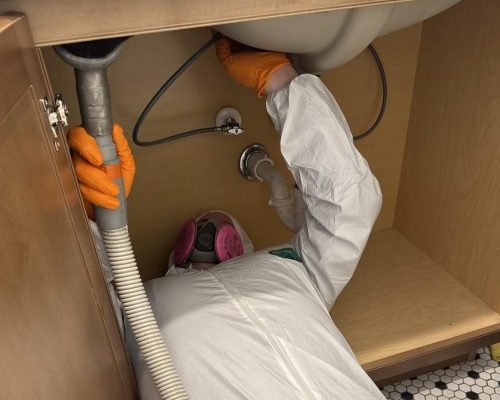
ASSESS BEFORE REMOVING MATERIALS
The assessment considers the water source, material condition, access, safety, odor and whether finished surfaces conceal additional damage.
REMOVAL WITHOUT MOISTURE CONTROL IS INCOMPLETE
We explain which moisture corrections belong in the restoration scope and which may require drainage, plumbing, foundation, HVAC, insulation or encapsulation specialists. Coordinated work helps prevent one contractor's solution from interfering with another part of the building.
THE REMEDIATION PROCESS
Define the moisture source, affected boundary, access, hazards and project criteria.
Extract standing water, control active leakage and begin appropriate drying when required.
Use controlled access, containment and HEPA air management based on the conditions.
Remove unsalvageable porous materials and contaminated insulation within the scope.
HEPA vacuum and clean suitable structural surfaces and included contents.
Review cleanliness, material condition and moisture against the established criteria.
THE AREA SHOULD BE CLEAN, DRY AND DOCUMENTED
Our quality-control process considers visible conditions, dust and debris, moisture and the agreed project criteria. Independent verification can be coordinated when appropriate.
COMMON BASEMENT & CRAWL-SPACE CONDITIONS
WATER EXTRACTION & STRUCTURAL DRYING
When standing water or wet materials remain, we can integrate extraction, moisture mapping and monitored drying into the response.
Explore emergency water removalENCAPSULATION & SPECIALTY WORK
Vapor barriers, insulation, drainage, dehumidification and encapsulation are considered separately from mold removal. We define or coordinate these services based on the actual conditions.
BASEMENT & CRAWL-SPACE MOLD QUESTIONS
Common causes include foundation seepage, plumbing leaks, flooding, ground moisture, condensation, poor drainage, elevated humidity and damp building materials. The assessment should identify both the visible growth and the moisture pathway.
A dehumidifier can help control humidity, but it does not remove affected material or correct every water source. Drainage, leakage, vapor movement and contaminated materials may also require attention.
Wet, contaminated or deteriorated insulation often requires removal. Dry insulation outside the affected scope may be protected and retained when its condition and project criteria allow.
Yes. Moisture can affect drywall, insulation, framing and flooring behind finished surfaces. Inspection should follow staining, odor, moisture readings, water history and construction details.
We evaluate moisture and restoration conditions and can define or coordinate appropriate vapor, drainage, insulation and encapsulation work. The exact scope depends on the crawl space and the source of moisture.
Completion may include visual inspection, cleanliness review and moisture verification. Independent post-remediation verification can be coordinated when requested or required.
Mold can recur when seepage, leakage, humidity, drainage or ground-vapor conditions remain. Effective work pairs remediation with correction or control of the contributing moisture.
BASEMENT & CRAWL-SPACE MOLD HELP
Send the property location, water history, visible condition, odor and whether the area is finished, unfinished or difficult to access.
CALL ALLSTATES RESTORATION732-722-5211THE VISIBLE MOLD MAY NOT REVEAL THE FULL MOISTURE PATHWAY.