Control access
Establish safe entry, work zones and equipment pathways.

24/7 RESTRICTED-ACCESS SEWAGE RESPONSE
A broken drain pipe, backup or failed sewage system can release wastewater into a septic backup where standing sewage, contaminated soil, insulation and trapped moisture remain out of sight. AllStates provides controlled extraction, material removal, cleaning, drying and documentation.
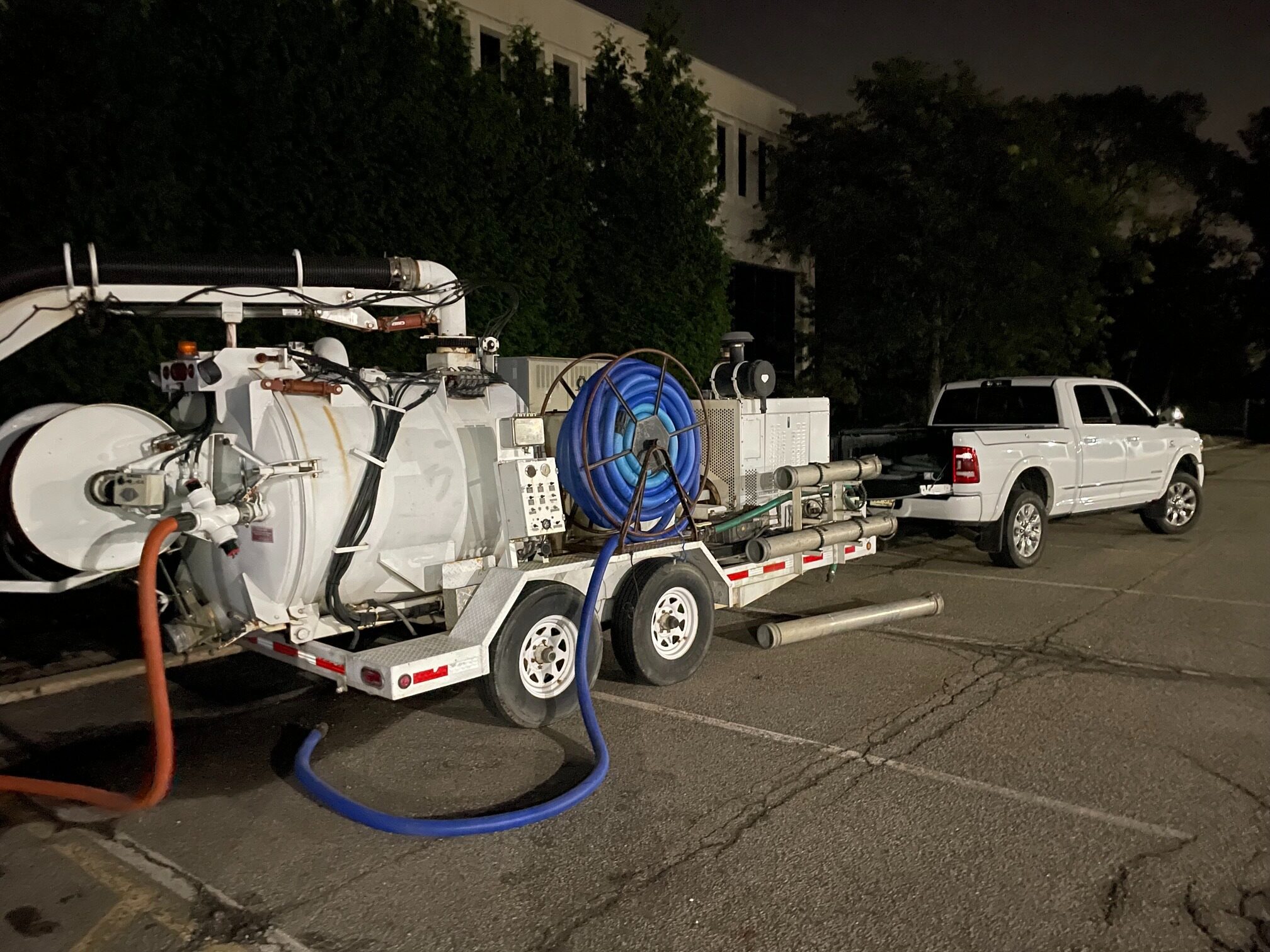

DO NOT ENTER THE SEPTIC BACKUP
Keep people and pets away from the access opening. Avoid household fans, bleach spraying or attempting to pump sewage without appropriate protection and containment.
Stop adding wastewater. When practical, discontinue use of plumbing connected to the failed line and contact the correct source professional.
Call for septic-backup responseASSESS THE SOURCE, ACCESS AND MIGRATION
Clearance, entry points, utilities, soil, vapor barriers, insulation, framing and standing wastewater all affect safe access and the restoration scope.
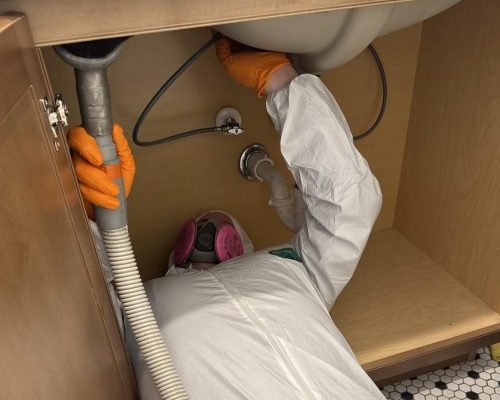
MORE THAN STANDING WASTEWATER
The visible liquid is only one part of the project. Cleanup decisions account for what sewage contacted and what can be safely accessed, removed, cleaned and dried.
SOURCE REPAIR DOES NOT COMPLETE THE CLEANUP
The plumber, drain contractor or septic provider addresses the failed system. AllStates addresses the wastewater release, contaminated materials, residual moisture and restoration documentation.
SEPTIC BACKUP SEWAGE CLEANUP PROCESS
Establish safe entry, work zones and equipment pathways.
Remove accessible wastewater and gross contamination.
Address contaminated insulation, barriers or other unrestorable materials.
Physically clean accessible compatible structural surfaces.
Manage remaining structural moisture under controlled conditions.
Review completion conditions and organize project records.
COMMON CRAWL-SPACE SEWAGE CONDITIONS
ODOR IS A CLUE
Persistent sewer odor may indicate remaining sewage, contaminated porous material or moisture. The source and affected materials must be addressed before odor control can be dependable.
PROJECT DOCUMENTATION
Applicable records may include access conditions, photographs, affected materials, removal decisions, drying information and progress documentation.
SEPTIC BACKUP SEWAGE QUESTIONS
Common causes include a cracked or disconnected drain pipe, sewage backup, failed ejector or septic component, overflowing fixture, or wastewater migrating from another part of the building.
A licensed plumber, drain contractor, septic provider or municipality normally corrects the source. AllStates Restoration handles the sewage-contaminated septic-backup cleanup and affected materials.
The response depends on the amount and type of contamination, soil conditions, access and the project protocol. Standing sewage and gross contamination must be removed before compatible treatment or other corrective measures are considered.
Insulation affected by sewage or heavy wastewater contamination commonly cannot be reliably cleaned in place. Final material decisions depend on observed conditions and accessibility.
No. Restricted access, electrical hazards, sharp objects, unstable surfaces and sewage exposure make self-inspection unsafe. Keep the access closed and wait for qualified professionals.
Odors and moisture can move through penetrations and air pathways. Cleanup should address the source, contaminated material and residual moisture rather than relying only on deodorizer.
Coverage depends on the policy, cause, exclusions, endorsements and carrier determination. We document observed conditions and restoration work but do not interpret or promise coverage.
24/7 SEWAGE DAMAGE RESPONSE
Calling is fastest. Share the suspected source, whether plumbing use has stopped, approximate septic-backup clearance, visible wastewater and whether a plumber or septic provider is responding.
CALL ALLSTATES RESTORATION732-722-5211SEWAGE BENEATH THE HOME WILL NOT RESOLVE ON ITS OWN.