Control access
Separate affected space and establish safe work pathways.

24/7 LOWER-LEVEL SEWAGE-SPILL RESPONSE
When a sewage ejector pump, float, check valve or discharge pipe fails, wastewater can overflow into a basement or lower level. AllStates Restoration provides controlled extraction, cleanup, material removal, structural drying and documentation.

FIRST: STOP ADDING WASTEWATER
Basement toilets, sinks, showers and laundry equipment may continue feeding the failed system. Restrict access, keep children and pets away, and avoid contact with the overflow.
Do not reset or reach into the ejector pit. Electrical and contamination hazards require appropriate professionals.
Call for cleanup responseTHE VISIBLE OVERFLOW MAY NOT BE THE FULL LOSS
The assessment considers the release point, duration, floor construction, wall contact, contents and concealed migration.
COMMONLY AFFECTED LOWER-LEVEL AREAS
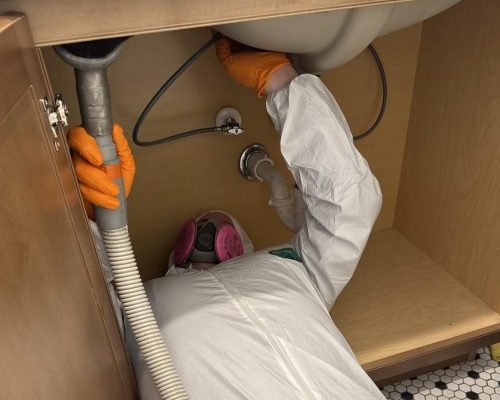
Wastewater may extend farther than the visible puddle, particularly beneath floating floors and along wall assemblies.
SOURCE REPAIR AND PROPERTY CLEANUP ARE DIFFERENT SCOPES
Pump replacement does not extract wastewater or clean contaminated building materials. Coordinating both scopes helps prevent repeated contamination and unnecessary rework.
EJECTOR-PUMP SEWAGE CLEANUP PROCESS
Separate affected space and establish safe work pathways.
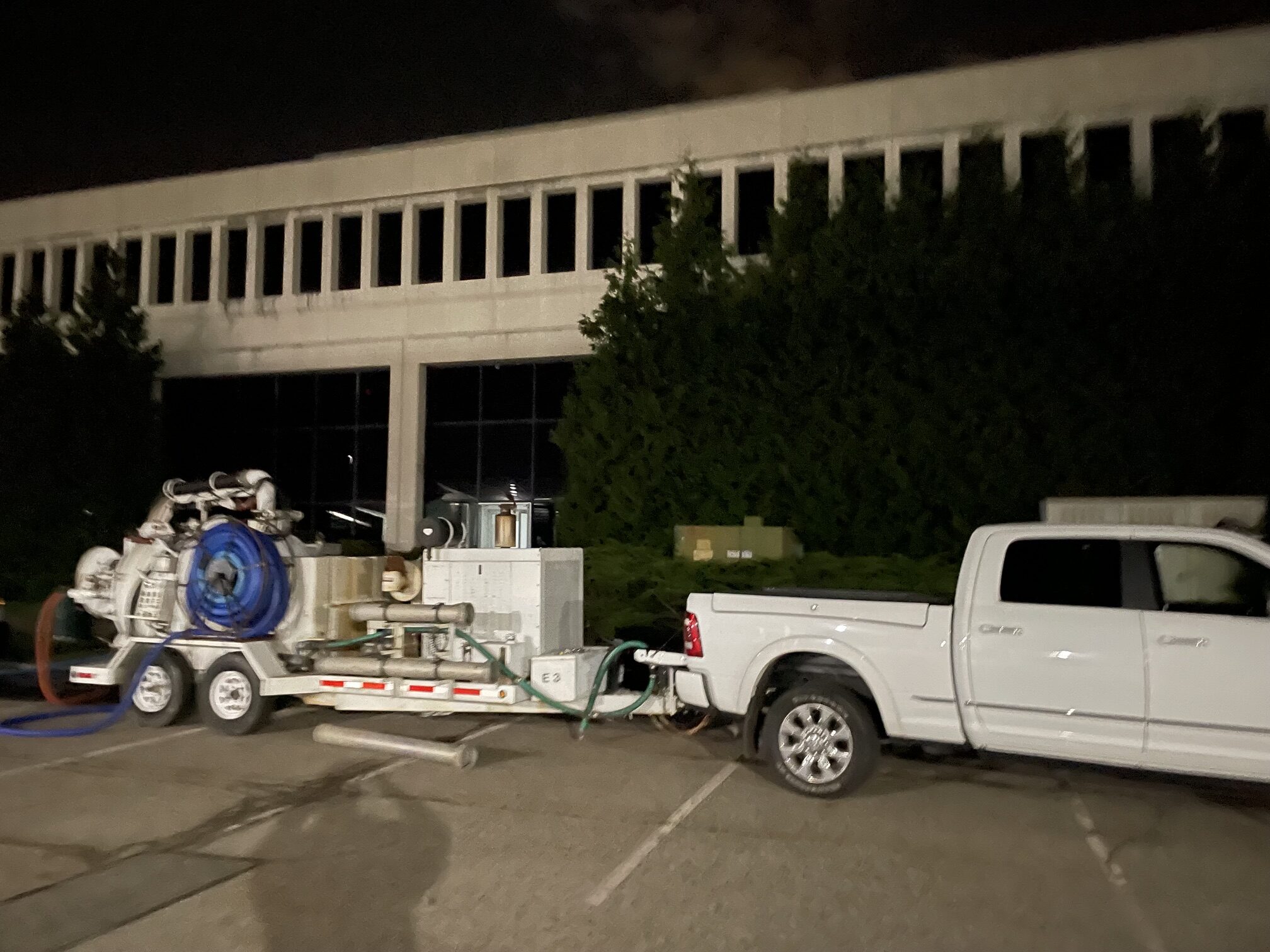
Remove accessible sewage with appropriate equipment.
Address porous materials that cannot be dependably restored.
Physically remove soil and residue before compatible treatment.
Establish controlled drying after contamination is addressed.
Review completion conditions and organize project records.
CLEAR RESPONSIBILITIES
The source repair and restoration cleanup should proceed in the correct sequence.
COMMON EJECTOR-SYSTEM FAILURES
SEWAGE EJECTOR PUMP QUESTIONS
A sewage ejector pump moves wastewater from plumbing fixtures located below the building sewer line, commonly in a basement bathroom, laundry area or lower-level utility space.
A licensed plumber normally diagnoses and repairs the pump, float, check valve, electrical connection or discharge piping. AllStates Restoration handles the sewage spill and affected building materials.
Stop using fixtures connected to the system, keep people and pets away, avoid touching wastewater, and call a plumber and restoration company. Do not operate household fans in the affected area.
Yes. Wastewater may migrate beneath floating floors, along wall plates, into carpet padding, behind baseboards and through openings to concealed areas.
No. Repairing the source stops additional flow, but wastewater, residue and moisture already released into the property still require appropriate cleanup and drying.
Material decisions depend on contamination, porosity, damage, accessibility and whether dependable cleaning and drying are possible. Suitable structural materials may sometimes be retained and cleaned.
Coverage depends on the policy, cause, endorsements and carrier determination. We document observed conditions and restoration work but do not promise or interpret coverage.
24/7 SEWAGE DAMAGE RESPONSE
Calling is fastest. Share which fixtures feed the system, whether their use has stopped, what rooms or materials are affected and whether a plumber is responding.
CALL ALLSTATES RESTORATION732-722-5211A REPAIRED EJECTOR PUMP DOES NOT CLEAN THE SEWAGE SPILL.