Control the work area
Restrict access and protect pathways and adjoining occupied spaces.

24/7 CONTAMINATED-WATER RESPONSE
AllStates Restoration provides controlled sewage extraction, contamination assessment, material removal, detailed structural cleaning, condition-appropriate antimicrobial application, drying and project documentation.
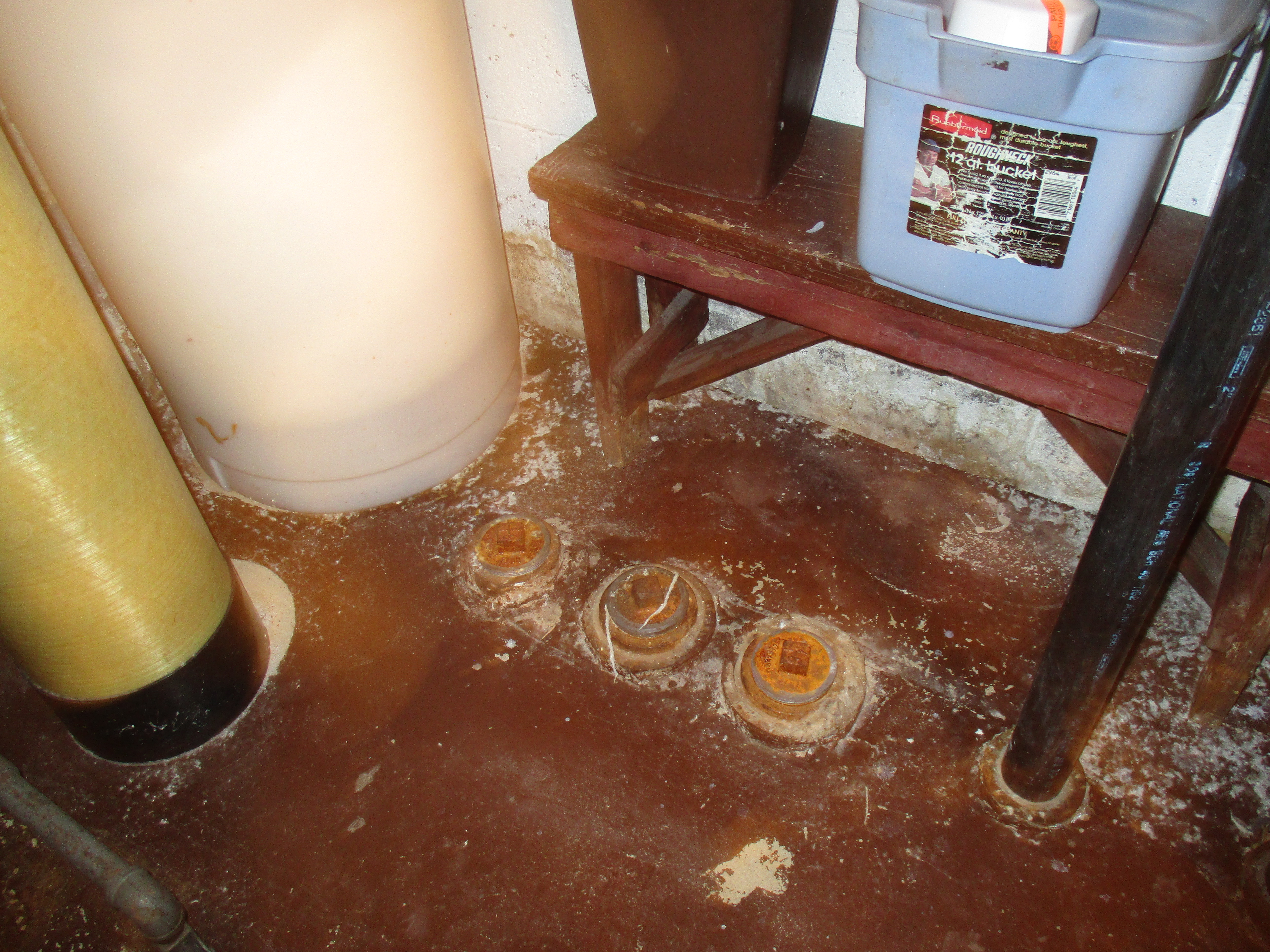

CONTROL ACCESS FIRST
Keep children, pets and unprotected occupants away. Avoid direct contact, household vacuums, mopping into unaffected rooms and fans that can spread contamination.
The source must also be corrected. A plumber, drain contractor, municipality or septic professional may need to stop the backup before restoration can safely proceed.
Call for sewage damage cleanupTHE FULL PATH MATTERS
We build the restoration scope around what the wastewater reached—not only what remains visibly wet.
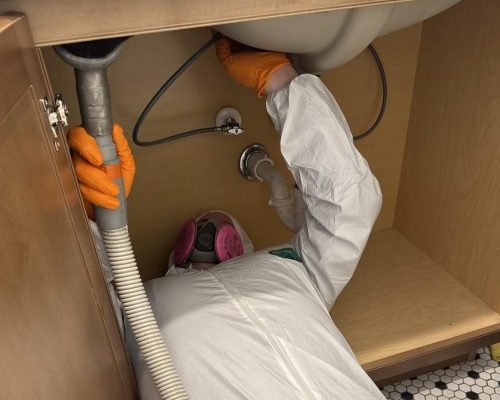
ASSESS BEFORE DISTURBING MATERIALS
Different assemblies hold and release wastewater differently. The investigation may extend beyond the original room when moisture or migration patterns justify it.
CLEANING IS A PROCESS, NOT A SPRAY
Professional cleanup begins with access control, extraction and appropriate material decisions. Remaining compatible surfaces are then physically cleaned before a condition-appropriate antimicrobial or disinfectant is applied according to its label.
THE SEWAGE DAMAGE RESTORATION PROCESS
Restrict access and protect pathways and adjoining occupied spaces.
Remove standing sewage with appropriate professional extraction equipment.
Control and remove porous materials that cannot be appropriately restored.
Physically clean remaining structural surfaces before treatment.
Apply products as appropriate, then establish controlled structural drying.
Review cleanliness, moisture conditions, remaining materials and records.
CLEANING, DISINFECTING AND SANITIZING
The selected method must fit the surface, contamination, product label and restoration goal. We do not make a building sterile or use odor masking as a substitute for cleaning.
COMMON SEWAGE DAMAGE EVENTS
SOURCE CORRECTION
We perform property cleanup and restoration. Plumbing, drain, sewer, septic or municipal professionals address the originating system as appropriate.
PROJECT DOCUMENTATION
We organize applicable photographs, material decisions, readings, equipment and work performed. Insurance coverage remains subject to the policy and carrier determination.
SEWAGE CLEANUP QUESTIONS
The scope may include access control, wastewater extraction, removal of affected porous materials, detailed cleaning of remaining structural surfaces, controlled drying, monitoring and documentation. The actual work follows the source, migration and materials involved.
No. Wastewater can move beneath flooring, behind baseboards and into wall or ceiling assemblies. Extraction removes bulk water, but affected materials and remaining surfaces must also be evaluated, cleaned and dried.
Cleaning physically removes soil and residue. A condition-appropriate antimicrobial or disinfectant may then be used on compatible, pre-cleaned surfaces according to its label. No chemical application replaces extraction, material removal or detailed cleaning.
Highly porous materials with direct wastewater exposure often require removal. Decisions depend on the water source, duration, material assembly, condition and practical ability to clean and verify the material.
We review the incident, visible evidence, moisture patterns, material transitions and adjoining spaces. Selective access may be justified when wastewater is suspected beneath flooring or inside concealed assemblies.
Timing depends on the source, affected area, necessary removal, cleaning, drying and site access. Completion is based on actual cleanliness and material conditions, not a preset number of days.
Coverage varies by policy, cause, endorsements and carrier determination. We document observed conditions and restoration activities but do not promise coverage or payment.
24/7 SEWAGE DAMAGE CLEANUP
Calling is fastest for an active emergency. Tell us whether the source has stopped, the approximate depth, affected rooms and any known migration to lower levels.
CALL ALLSTATES RESTORATION732-722-5211DO NOT DRY OR REBUILD OVER SEWAGE CONTAMINATION.