Stop the moisture source
Confirm the leak, intrusion or humidity condition is corrected or controlled.

MOLD AFTER WATER DAMAGE RESPONSE
Fix the water source. Find what stayed wet.
AllStates investigates remaining moisture, concealed wet materials and visible growth before defining the drying, containment, removal, cleaning and verification needed after a water-damage incident.
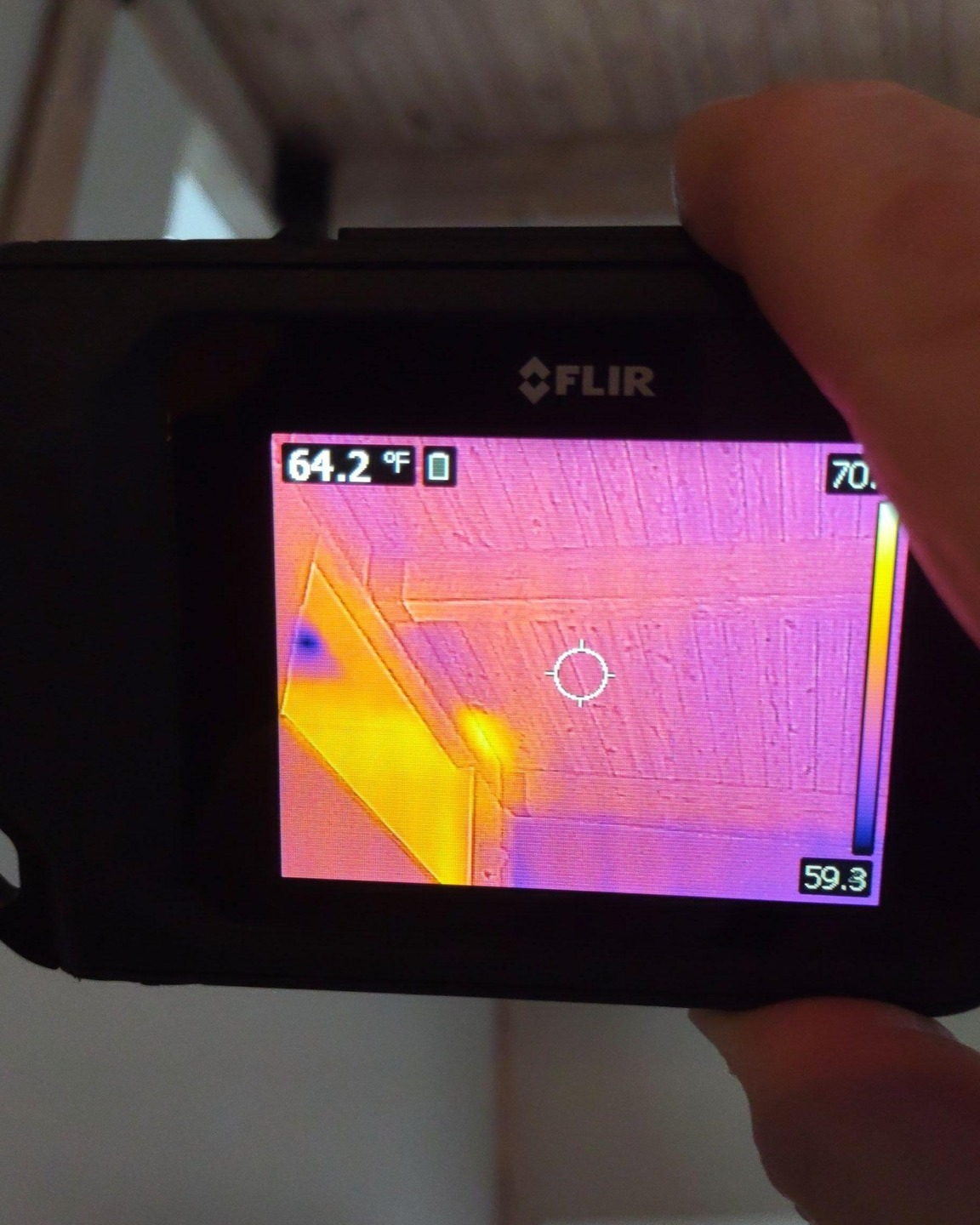

DO NOT KEEP DEMOLISHING OR ADD MORE FANS
Uncontrolled demolition and air movement can spread dust and growth into previously unaffected rooms. Limit access, do not spray or scrub visible growth and do not cover damp materials with new finishes.
Preserve the project history. Gather photographs, leak-repair information, drying records and the date odors or visible conditions appeared.
Call and describe the conditionsWHY MOLD CAN FOLLOW WATER DAMAGE
Mold concerns often point to delayed source control, incomplete extraction, hidden migration, insufficient monitoring or materials that could not dry in place.
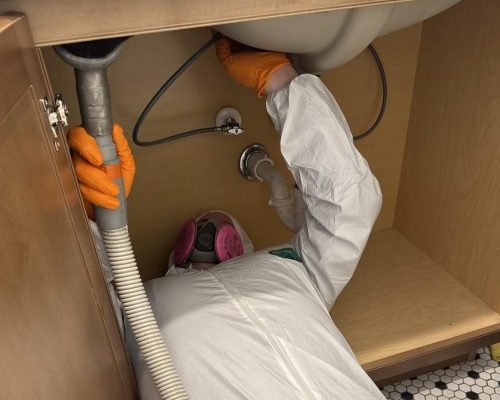
REASSESS THE FULL AFFECTED AREA
The updated assessment considers the original source, water type, drying history, visible growth, odor, material condition and possible concealed migration.
THE WATER SOURCE MUST BE CORRECTED FIRST
A plumber, roofer, HVAC contractor or other qualified professional may need to repair the source. AllStates coordinates the restoration sequence around that work and documents which responsibilities remain outside the remediation scope.
WATER-TO-MOLD RESTORATION PROCESS
Confirm the leak, intrusion or humidity condition is corrected or controlled.
Map remaining moisture and mold-affected materials beyond the visible area.
Separate the work area and establish HEPA air management where appropriate.
Remove unsuitable materials and detail-clean compatible remaining surfaces.
Dry suitable structural materials and monitor them against comparison conditions.
Review cleanliness, moisture and established project criteria before closeout.
MATERIAL DECISIONS CHANGE WHEN GROWTH IS PRESENT
Materials are evaluated for contamination, porosity, deterioration, accessibility and whether they can be cleaned to the project criteria.
INSPECTION OR TESTING?
Inspection defines observed conditions and moisture pathways. Testing may add value when the extent is unclear, a written protocol is needed or independent verification is requested.
Explore mold inspectionINDEPENDENT VERIFICATION
An independent assessor or industrial hygiene professional can define protocol or post-remediation criteria when required by the project, contract or stakeholder.
Explore mold testingCOMMON WATER-DAMAGE CONDITIONS THAT LEAD TO MOLD
MOLD AFTER WATER DAMAGE QUESTIONS
Mold growth can begin when suitable materials remain damp, sometimes within days. Temperature, material type, contamination, airflow and the length of wetting all affect the timeline. A clock alone does not determine the scope.
No. Prompt source control, extraction and verified drying can reduce the chance of growth. Mold concerns increase when materials remain wet, drying is delayed, moisture is concealed or the original work was incomplete.
Stop disturbing the affected area and contact the restoration team. Fans or demolition may spread dust and growth beyond the original boundary. The conditions should be reassessed before the work continues.
Yes, when the scopes are clearly defined. The water source must be corrected, remaining moisture evaluated and mold-affected materials handled under appropriate containment and cleaning procedures.
Not automatically. Testing may help when the conditions or boundaries are unclear, a written protocol is required, occupants have specific concerns or independent verification is requested.
It depends on the water type, duration, material condition, accessibility and whether growth or contamination is present. Some materials can be dried; others require controlled removal.
Completion may include visual review, cleanliness assessment, moisture comparison and project documentation. Independent post-remediation verification can be coordinated when requested or required.
Coverage depends on the policy, cause, timing, exclusions, limits and insurer determination. AllStates documents conditions and work but does not promise or determine coverage.
WATER DAMAGE AND MOLD HELP
Send the property location, source and repair history, affected rooms, previous drying work, visible conditions, odors and any inspection or testing already completed.
CALL ALLSTATES RESTORATION732-722-5211MOLD AFTER WATER DAMAGE MEANS SOMETHING STAYED WET.