Authority release
Wait for official permission and address structural, electrical, utility or other access restrictions.

AFTER-THE-FIRE HELP
Everyone is safe—but everything feels uncertain? Take the next step in the right order.
AllStates Restoration helps families and businesses understand temporary protection, fire and smoke assessment, contents priorities, documentation and the restoration process after emergency authorities release the property.


LIFE SAFETY COMES FIRST
For an active fire, smoke condition or immediate danger, call 911. Do not return for people, pets or belongings. Once everyone is safe, let family members know where you are and follow instructions from the fire department and emergency responders.
Do not enter the property until the appropriate authority releases it.
Review American Red Cross after-fire guidanceTHE FIRST CALLS AFTER EVERYONE IS SAFE
Handle safety, shelter, access and property protection before making permanent restoration decisions.
AFTER THE PROPERTY IS RELEASED
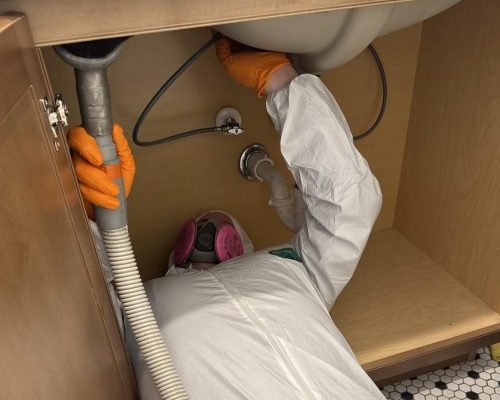
When access is authorized and safe, we help identify the immediate stabilization needs and the full affected area. The evaluation may include fire damage, smoke movement, soot, firefighting water, openings, contents and known or suspected hazards.
CREATE ONE ORGANIZED RECORD
Keep the fire-department incident information, property and insurance contacts, photographs, temporary-housing expenses, emergency-purchase receipts, contractor documents and contents information together. Save receipts for reasonable temporary protection and recovery expenses.
THE AFTER-FIRE RECOVERY PATH
Wait for official permission and address structural, electrical, utility or other access restrictions.
Board or tarp accessible openings directly or through qualified support when safe and appropriate.
Evaluate fire, smoke, soot, water, odor, contents and affected areas beyond the visible burn damage.
Retrieve essential items safely and plan in-place protection, packout, cleaning, storage or specialty referral.
Perform the defined stabilization, cleaning, drying, odor control and contents scope in the proper sequence.
Inspect completed areas, evaluate results and organize project records before moving to permanent repairs.
WHAT NOT TO DO TOO QUICKLY
Pause before entering, cleaning, discarding or signing a broad permanent-repair agreement. Get clear information about the current conditions and the scope in front of you.
FIRE-VICTIM COMMUNITY SUPPORT
When available, our community assistance may include an emergency care bag and practical guidance for fire-affected households. This support is separate from paid restoration work and does not replace emergency, charitable or governmental assistance.
Ask about fire-victim supportAFTER-THE-FIRE GUIDE
This page will become the online companion to our After-the-Fire guide. We can later add a downloadable version that families, fire departments and community partners can keep or share.
AFTER-FIRE QUESTIONS
Re-enter only after the fire department or other appropriate authority says the property has been released and it is safe to enter. Structural, electrical, utility, smoke and falling-debris hazards may remain after the flames are out.
Follow instructions from emergency officials. Then contact the property owner or landlord, your insurance carrier when applicable, and a qualified restoration company to discuss temporary protection, documentation and the immediate restoration conditions.
When access is authorized and safe, photograph affected rooms, exterior damage, openings, visible soot, firefighting water and damaged belongings before unnecessary movement or cleanup. Do not enter restricted areas simply to obtain photographs.
Avoid wiping soot with household cleaners or discarding items before they are documented. Incorrect cleaning can smear residues, and early disposal may remove information needed for contents decisions or an insurance-related claim.
Tell the fire department or appropriate authority before attempting entry. After the property is released, identify priority items for safe retrieval and documentation with the restoration or contents team.
Yes. We may provide board-up or temporary roof tarping directly or coordinate qualified support depending on access, safety, weather, project requirements and capacity. Temporary protection is not permanent roofing or reconstruction.
Our community assistance may include practical guidance and a small emergency care package for fire-affected households when available. It is community support—not insurance, governmental aid or a substitute for emergency services.
24/7 AFTER-FIRE RESTORATION HELP
Once everyone is safe, call to discuss temporary protection, firefighting water, smoke and soot, essential belongings and the next restoration step.
CALL ALLSTATES RESTORATION732-722-5211YOU DO NOT HAVE TO UNDERSTAND THE ENTIRE PROCESS TONIGHT.