Emergency stabilization
Coordinate access, board-up, water extraction, temporary protection and immediate contents priorities.

COMMERCIAL FIRE & SMOKE DAMAGE RESTORATION
Fire damage threatening the property and operation? Stabilize. Control. Clean. Document.
AllStates Restoration coordinates commercial fire stabilization, firefighting-water extraction, soot and smoke cleanup, contents protection, odor-source removal and organized documentation for New Jersey businesses and facilities.
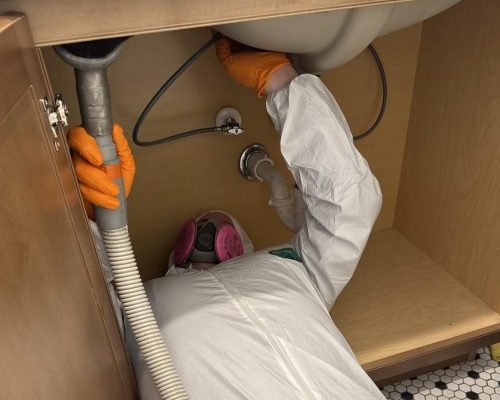

FIRST, AVOID SPREADING THE RESIDUE
After the property is released, avoid touching soot-covered surfaces or using household wet cleaners. Do not operate an affected HVAC system until it has been evaluated because airflow can redistribute residues.
Seeing residue beyond the fire area? Call AllStates before wiping, painting or moving affected contents.
Call and tell us what happenedCOMMERCIAL FIRE RESPONSE
Commercial fires may involve public authorities, owners, tenants, facility teams, utilities, contractors, consultants and insurers. The restoration response needs defined authorization and communication.
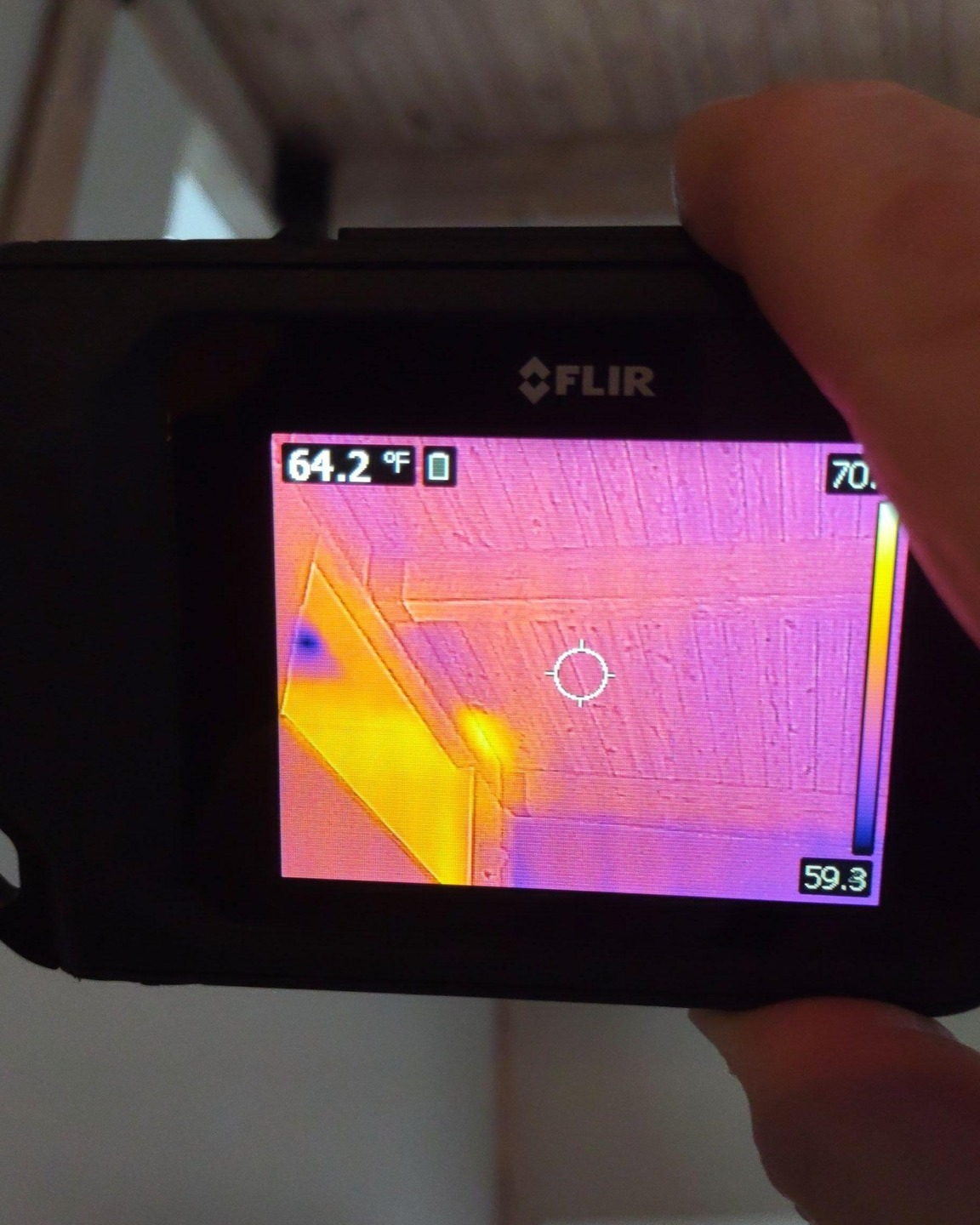
MAP HOW SMOKE AND SOOT TRAVELED
We evaluate residue patterns, air pathways, HVAC movement, contents, surface types and odor conditions throughout the property. Cleaning tests help determine which methods are appropriate before broad treatment.
REMOVE THE RESIDUE BEFORE TREATING THE ODOR
Fire restoration requires identifying, removing or cleaning the contamination responsible for staining and odor. Deodorization supports source removal and cleaning; it does not substitute for them.
THE COMMERCIAL FIRE-RESTORATION PROCESS
Coordinate access, board-up, water extraction, temporary protection and immediate contents priorities.
Evaluate structure, smoke pathways, HVAC zones, contents, equipment and adjoining occupancies.
Match chemistry, laser cleaning, dry-ice blasting or other techniques to residue, substrate and finish.
Address non-restorable materials and clean restorable structure, surfaces and contents using appropriate controls.
Remove odor sources, apply condition-appropriate treatment and review completed cleaning.
Organize Matterport, Encircle, photographs and work records for reconstruction, return or operational next steps.
METHODS MATCH THE CONDITIONS
Fire residues, materials and finishes respond differently. Cleaning and odor-control methods must be selected, tested and verified for the actual conditions.
COMMERCIAL FIRE CONDITIONS WE ADDRESS
BUSINESS CONTINUITY
Commercial fire losses may require phased work zones, after-hours coordination, contents and inventory planning, air management and documentation for owners, tenants, facility teams and other stakeholders.
Explore commercial restorationINSURANCE AND STAKEHOLDER DOCUMENTATION
We document affected areas, observed conditions, readings, equipment and restoration activities. Coverage depends on the policy, cause and circumstances; AllStates does not promise or determine insurance coverage.
COMMERCIAL FIRE & SMOKE QUESTIONS
Follow fire-department and public-authority instructions, keep occupants out of restricted areas, preserve access and incident information, and contact the appropriate property representatives and restoration team after the building is released.
Yes. Residues can move through open spaces, wall pathways and HVAC systems. Unburned rooms, inventory, equipment and adjoining tenant areas may still require assessment.
Sometimes. Work zones, containment, air management, access routes and after-hours scheduling may support partial operations, but safety, contamination and authority requirements determine what can remain occupied.
Standing water is extracted, affected areas are moisture-mapped and building materials are evaluated for controlled drying or removal. Water can carry soot and other contaminants into areas beyond the fire.
They may be appropriate for compatible structural surfaces, machinery or complex assemblies. The residue, substrate, finish, access and safety controls are evaluated, and representative testing is performed when appropriate.
AllStates can document, protect, pack out, clean or coordinate specialty restoration for inventory, furnishings, electronics, documents and operational equipment according to the authorized scope.
No. Coverage depends on the policy and carrier determination. Reopening depends on authority, safety, building systems, restoration conditions and other stakeholders; AllStates documents and communicates the restoration work without making those determinations.
COMMERCIAL FIRE & SMOKE RESPONSE
After the property is released by the appropriate authority, calling is the fastest way to begin stabilization and restoration planning. You may also send a short request and our team will follow up.
CALL ALLSTATES RESTORATION732-722-5211COMMERCIAL FIRE DAMAGE DISRUPTS MORE THAN THE BUILDING.